Annual Review
2025/26
Welcome to Red Rose Recovery’s Annual Review for 2025/2026.
Red Rose Recovery was established as a charity in 2012 and has become nationally recognised as a pioneering organisation in developing recovery systems and creating opportunities for people affected by substance misuse, mental health and offending behaviours.
As a Lived Experience Recovery Organisation, our staff’s personal and relatable experience provides inspiration and hope to people who are struggling to find a way forward. We work with a wide range of partner organisations in many different settings to build accessible and inclusive pathways for personal development and recovery.

As we reflect on the past year at Red Rose Recovery, I am filled with both pride and renewed determination. This has been a year of continued growth, resilience, and collective action, where our commitment to building a vibrant, inclusive recovery community has never been more important.
Against a backdrop of increasing pressure on individuals, families, and communities impacted by addiction, mental ill-health, trauma and wider complex and multiple disadvantages, we have remained steadfast in our purpose. We have strengthened our presence across the North West, expanded opportunities for people with lived experience, and continued to demonstrate the transformative power of peer-led support.
This year has seen our work evolve in both reach and influence. From our recovery hubs and lived experience workforce, to our partnerships and system leadership, we have not only supported individuals on their recovery journeys but helped shape services, challenging stigma at a wider level and co-creating new services such as those supporting Veterans and victims of Domestic Abuse. Our voice continues to grow, driven by the courage and authenticity of the communities we serve.
At the heart of everything we do are the people who make this movement possible. Our staff, volunteers, trustees, and partners bring dedication, compassion, and belief in the potential of recovery every single day. Most importantly, we thank the individuals who share their stories and experiences, your strength is what drives lasting change.
As you read this year’s review, I hope you are inspired by the progress we have made together. While challenges remain, so too does our collective commitment to creating hopeful futures and influencing systems for the better.
Together, we are not only supporting recovery, we are shaping a more inclusive and equitable society.

Michael Wearden
Managing Director, Red Rose Recovery
In 2025/2026, we’ve…
Engaged
times with individuals in our communities
(COMPARED TO 74,441
IN 24/25)
Delivered
Projects, events and group sessions
(COMPARED TO 3,136 IN 24/25)
facilitated
attendances at our groups, Projects & Events
(COMPARED TO 28,295 IN 24/25)
Achieved
Outcomes for the Individuals working with us
(COMPARED TO 277,524
IN 24/25)
Supported
times with telephone calls & texts to service users
(COMPARED TO 49,671
IN 24/25)
signposted
times to other services & organisations
(COMPARED TO 27,176
IN 24/25)
In 2025/2026, Red Rose Recovery generated £44.1 million in total social, health, and economic value. this represents a cost saving of £13 for every £1 invested into our services.”
Based on research into costings on the public purse by the Greater Manchester Combined Authority (GMCA), the HACT Social Value Bank, PwC, NHS Improvement, the Department for Work & Pensions, Public Health England, the Centre for Mental Health, the Home Office, and the Ministry of Justice.

We’ve seen some incredible outcomes from our work this year, with…
Individuals hitting their 5 Ways to Wellbeing this many times…
Connect
Be Active
Take Notice
Learn
Give
And…
thousands of the people we work with achieving life-changing & meaningful hard outcomes, such as…
Reporting stopping, or a reduction in substance intake
supported with access to housing or independent living
Reporting improved access to family, such as through social care
Helped into employment or self-employment
Reducing contact and attendance with A&E and emergency services

Did you know that a visit to A&E costs on average £1,560, When you factor in emergency care, inpatient admissions, and necessary follow-up treatments?
(Based on NHS England Costings report)
—-
Our work in reducing individuals contact with A&E alone, saved over £330,000 on the public purse throughout 2025/26.
And…
Our volunteers contributed over
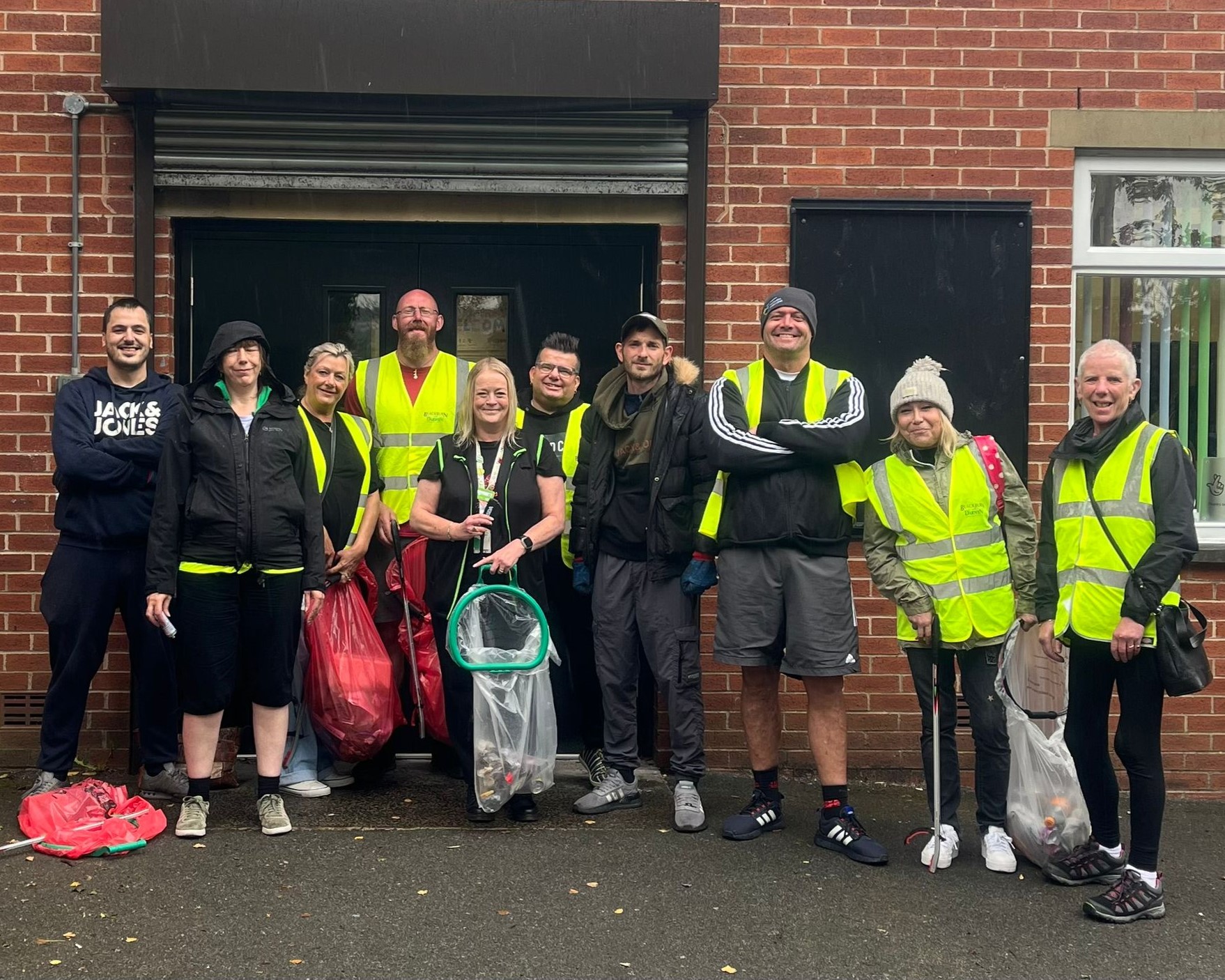
Hours of their time, providing peer support, group facilitation, help at community projects, and much more.
Using the minimum wage a baseline, at £12.21 per hour during 2025/26, our volunteers contributed over £54,945 into our communities.
At Red Rose Recovery, we believe in…

Social Value Impact
Our work in
Group Facilitation
Saved
£5
for every £1 spent
Providing
£5,099,568
of economic value
Our work in
reducing substances
Saved
£22
for every £1 spent
Providing
£14,164,215
of economic value
Our work in
Improved Wellbeing
Saved
£9
for every £1 spent
Providing
£12,448,278
of economic value
Our work in
Employment Support
Saved
£5
for every £1 spent
Providing
£6,649,071
of economic value
Our work in
reducing re-offending
Saved
£12
for every £1 spent
Providing
£5,818,280
of economic value
Click on the tabs below to see how we worked it out…
Economic Impact of Group Facilitation: Red Rose Recovery’s Contribution
Peer-led group facilitation is the bedrock of our community-driven model. In the 2025/26 period, 2,179 individuals engaged in our group sessions, with 10% (218 individuals) serving in formal peer-volunteer capacities to support their peers.
Financial and Societal Benefits: Our facilitation creates measurable social capital that alleviates the burden on statutory services:
Social Belonging: Participation in our groups significantly reduces isolation, a key driver of mental health crises.
Peer-Led Transformation: Our volunteer facilitators provide intensive, lived-experience-led support, which is proven to improve wellbeing and sustain recovery outcomes more effectively than non-peer interventions.
Overall Economic Impact (Group Facilitation):
Value of Social Belonging (General Attendance): £1,850 per person
Value of Peer-Volunteer Participation: £6,751 per person
Total Economic Value Generated: £5,099,568
Return on Investment (ROI): £5.11 (Delivering a £5 saving for every £1 spent)
Conclusion: By facilitating 2,179 engagements and empowering 218 peer volunteers, Red Rose Recovery has generated over £5 million in social value. This represents a £5 return for every £1 invested in our community engagement work, demonstrating that our peer-led approach is a highly efficient and effective mechanism for building resilient, connected communities.
References:
HACT Social Value Bank / Daniel Fujiwara (Value of being a member of a social group).
St Giles Trust / PwC TIMM Framework (Value of peer-led volunteer participation).
Economic Impact of Reducing Substances: Red Rose Recovery’s Contribution
Effective substance misuse support is central to Red Rose Recovery’s mission. In the 2025/26 period, our support services engaged 1,235 unique individuals, achieving significant progress in substance reduction and recovery maintenance.
Financial and Societal Benefits: Successful substance reduction delivers extensive savings to the public purse by addressing the root causes of individual crises:
Reduced Economic Burden: By reducing substance-related health issues, we alleviate pressure on NHS resources and local emergency services.
System-Wide Savings: Sustained recovery is proven to reduce the frequency of re-offending and the demand for intensive social care, generating significant public value.
Overall Economic Impact (Substance Reduction):
Value per Unique Individual (Public Value Benefits): £11,469
Unique Individuals Supported: 1,235
Total Economic Value Generated: £14,164,215
Return on Investment (ROI): £22.71 (Delivering a £22 saving for every £1 spent)
Conclusion: By supporting 1,235 unique individuals on their recovery journeys, Red Rose Recovery has generated over £14.1 million in social value. This represents a £22 return for every £1 invested, demonstrating that investing in substance misuse recovery is a highly effective way to drive both individual transformation and wider economic savings.
References:
DTORS / National Treatment Agency (Public value benefits of drug abuse treatment).
Economic Impact of Wellbeing Improvement: Red Rose Recovery’s Contribution
Our approach is grounded in the DIALOG+ framework, a validated clinical tool that facilitates co-produced care planning and tracks holistic quality-of-life outcomes. In 2025/26, 1,993 unique individuals engaged in this process, demonstrating significant, positive movement in their wellbeing scores across multiple life domains.
Financial and Societal Benefits: Improving quality of life through the DIALOG+ framework creates measurable public value:
Reduced Service Pressure: Evidence shows that improved DIALOG+ scores correlate with reduced reliance on acute mental health services and psychiatric intervention.
Holistic Stability: By focusing on 11 life domains (including health, housing, and social connection), we drive improvements that move individuals toward independence.
Validated Outcomes: We track meaningful “distance travelled” for every individual, ensuring our impact is based on real-world changes in their personal circumstances.
Overall Economic Impact (Wellbeing Improvement):
Proxy for Improved Quality of Life/Wellbeing: £6,246 per person
Unique Individuals Supported: 1,993
Total Economic Value Generated: £12,448,278
Return on Investment (ROI): £9.18 (Delivering a £9 saving for every £1 spent)
Conclusion: By supporting 1,993 unique individuals through the DIALOG+ framework, Red Rose Recovery has generated over £12.4 million in social value. This represents a £9 return for every £1 invested in our mental health services. Our commitment to this patient-led outcome measure ensures that our impact is evidence-based, clinically relevant, and transparently reported.
References:
DIALOG+ Analytical Framework (NHS/Transformation Partners in Health and Care).
HACT Social Value Bank (Life Satisfaction/Wellbeing improvement proxy).
Economic Impact of Employment Support: Red Rose Recovery’s Contribution
Employment and purposeful activity are fundamental to sustaining long-term recovery. In the 2025/26 period, Red Rose Recovery empowered 121 individuals to successfully secure employment or start their own self-employment businesses.
Financial and Societal Benefits: Transitioning into employment delivers massive benefits to both the individual and the economy.
Economic Contribution: Moving into work reduces reliance on out-of-work benefits and generates direct economic value through increased taxation and local spending.
Total Social Value: We apply the PwC TIMM Framework valuation, which recognizes the holistic social impact—including health and wellbeing improvements—of moving marginalized individuals into work.
Overall Economic Impact (Employment Support):
Value per Person Moving into Employment: £54,951
Individuals Supported into Employment/Self-Employment: 121
Total Economic Value Generated: £6,649,071
Return on Investment (ROI): £5.33 (Delivering a £5 saving for every £1 spent)
References:
St Giles Trust Evaluation / PwC TIMM Framework (Total social value impact of moving into employment for individuals with complex needs).
Office for National Statistics (ONS) / National TOMs guidance on employment outcomes.
Economic Impact of Reducing Re-offending: Red Rose Recovery’s Contribution
Reducing re-offending is a cornerstone of Red Rose Recovery’s mission. In 2025/26, our support contributed to 167 instances where individuals successfully avoided the criminal justice system and did not return to offending behaviour after engaging with our services.
Financial and Societal Benefits: Diverting individuals from the justice system generates significant, measurable savings for the public purse.
Criminal Justice System Savings: We utilize the benchmark cost of a custodial prison year, which is estimated at £34,840 per person. By helping individuals break the cycle of custody, we significantly reduce the financial burden on state prison and probation services.
Victim Costs Avoided: Preventing crime avoids the extensive emotional and healthcare costs incurred by victims, contributing to safer communities.
Overall Economic Impact (Criminal Justice Diversion):
Value per Custodial Year Avoided: £34,840
Instances of Avoided Re-offending: 167
Total Economic Value Generated: £5,818,280
Return on Investment (ROI): £11.91 (Delivering a £12 saving for every £1 spent)
References:
Ministry of Justice / Greater Manchester Combined Authority (GMCA) Unit Cost Database (Cost of a Custodial Prison Year).
Home Office. Estimating the costs of crime.
Understanding Our Communities:
Index of Multiple Deprivation Analysis
Using Data to Better Understand Need
During 2025/26, Red Rose Recovery introduced Index of Multiple Deprivation (IMD) analysis into our reporting framework, enabling us to better understand the communities we serve and the levels of disadvantage experienced by those engaging with our services.
The Index of Multiple Deprivation is the Government’s official measure of deprivation in England and combines a range of indicators including income, employment, health, education, crime, housing and living environment. By linking service user data with IMD rankings, we can gain a clearer understanding of whether our services are reaching those facing the greatest challenges.
What the Data Shows
Analysis of 1,151 beneficiaries demonstrated that Red Rose Recovery continues to engage some of the most disadvantaged communities across the areas we serve.
Over 62% of beneficiaries lived within neighbourhoods ranked amongst the most deprived 30% in England, whilst more than 27% lived within the most deprived 10% nationally.
The data also highlighted significant levels of deprivation across a number of key domains:
- Over 72% of beneficiaries lived in areas within the most deprived 30% for Health Deprivation and Disability.
- Over 57% lived in areas within the most deprived 30% for Employment Deprivation.
- Almost 60% lived in areas within the most deprived 30% for Crime Deprivation.
These findings reinforce the reality that many of the people accessing Red Rose Recovery are not facing a single challenge, but multiple interconnected disadvantages affecting their health, wellbeing, financial stability and opportunities.
Bringing the Data to Life
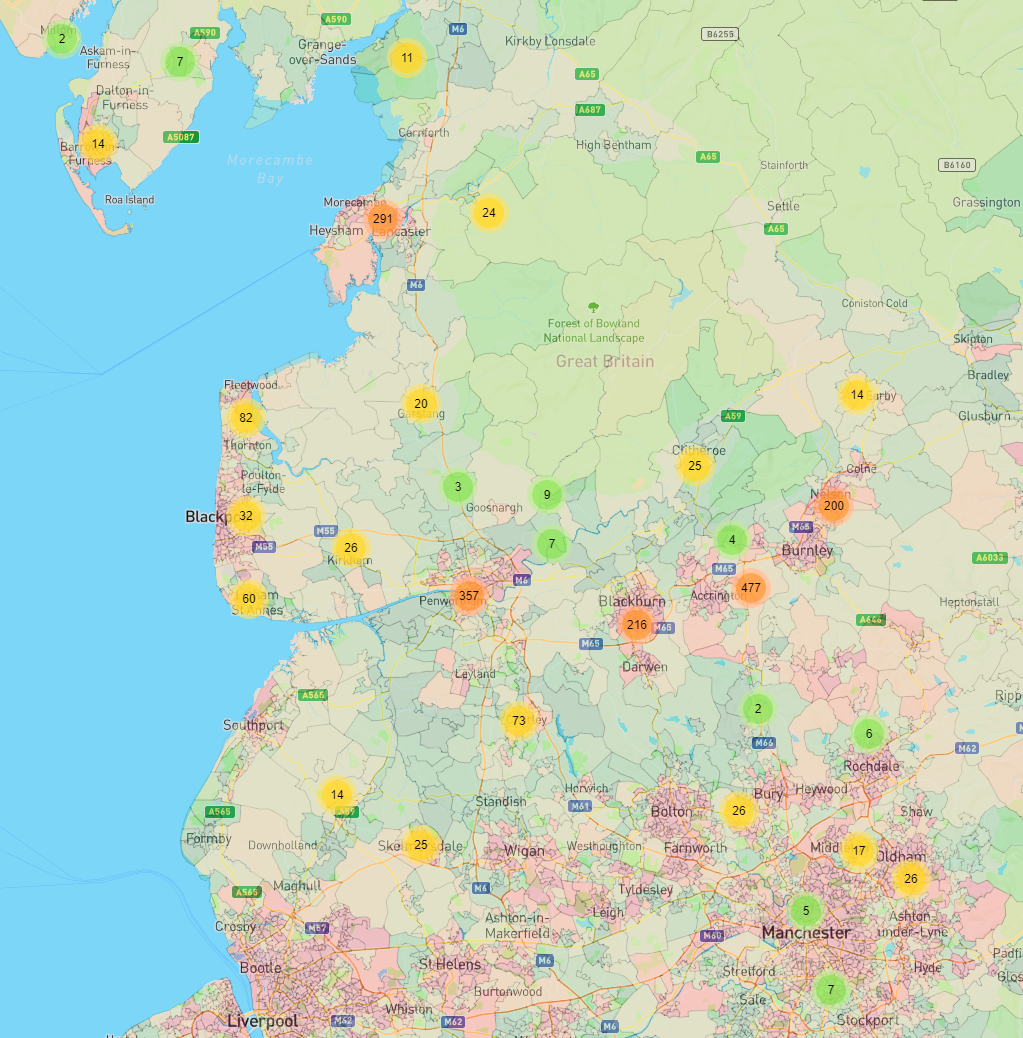
The map below illustrates the geographical distribution of beneficiaries accessing Red Rose Recovery services during 2025/26, overlaid against the Index of Multiple Deprivation.
Areas shown in darker red represent higher levels of deprivation, whilst darker green areas represent lower levels of deprivation. The concentration of beneficiaries within many of the most deprived communities provides a clear visual representation of Red Rose Recovery’s ability to engage people facing the greatest barriers to health, wellbeing and recovery.
Why This Matters
Recovery does not happen in isolation. Understanding deprivation helps us evidence that our services are reaching those who are often furthest from support and facing the greatest barriers to change.
This analysis strengthens our ability to demonstrate impact to commissioners, funders and partners, whilst helping us better understand where services, projects and community development activity can have the greatest effect.
Building a Stronger Evidence Base
The introduction of IMD analysis represents an important step in the development of our data and evaluation capabilities. Combined with our growing use of outcome analysis and geographical mapping, it provides a more detailed picture of the communities we support and the impact recovery is having within them.
As we continue to develop these tools, we will be able to better understand the relationship between deprivation and outcomes such as substance reduction, employment, wellbeing, housing stability and reduced offending, helping ensure that resources are targeted where they can make the greatest difference.
INDEPENDENT REVIEW OF OUR DATA AND IMPACT
During 2025/26, Red Rose Recovery commissioned an independent review of its operational data to assess whether it provides a reliable foundation for impact reporting and social value analysis.
The review examined whether our operational data provides a reliable foundation for understanding how people move through our services over time and whether that information can support robust impact reporting. Rather than simply reviewing headline figures, the study reconstructed individual journeys through our Mental Health and Criminal Justice programmes, linking referrals, engagement, support, outcomes and programme closure into complete participant pathways.
The independent review concluded that Red Rose Recovery’s data systems provide a strong and coherent evidence base. Across the programmes examined, participant records could be consistently linked together, activities occurred in the correct chronological order, and outcomes could be placed within periods of active support. This provides confidence that our reporting reflects real engagement with beneficiaries and that our operational data can support detailed analysis of how people progress through our services over time.
Importantly, the review also recognised that robust data governance is an ongoing process. Alongside validating the strength of our existing systems, it identified opportunities to further strengthen reporting by standardising outcome definitions, formalising follow up periods and documenting the assumptions used within social value calculations. These recommendations build upon an already strong foundation and form part of our commitment to continuous improvement and transparency.
One of the key conclusions was that Red Rose Recovery is able to move beyond simply reporting activity levels. The review found that our data can demonstrate how people engage with services over time, how support is delivered, how outcomes develop throughout a person’s journey and how services contribute to longer term progression. The report noted that many organisations can report volumes of activity, but far fewer have operational systems capable of reconstructing participant journeys in this way.
The work has already informed improvements to our reporting framework and provides an independent level of assurance for commissioners, funders and partners that our data is collected, managed and interpreted using robust analytical methods. It also gives us a strong platform on which to continue developing our impact measurement and social value reporting in future years.
Independent review undertaken by Dr Gerasimos Kakaroumpas, PhD
- Mental Health and Criminal Justice datasets independently analysed
- Participant journeys successfully reconstructed from referral through to programme completion
- Operational data found to support robust pathway and impact analysis
- Recommendations provided to further strengthen governance and future reporting
- Over 900,000 days of participant engagement analysed across the programmes reviewed
don’t just take our word for our impact…
I thank Danielle for that food parcel, it’s a good one. Tell her I said thanks.
Plus, I thank all of you in my recovery and my journey for treating me as a human being and reassuring me, reminding me how well I’m doing. Without you, I’d be lost. I really need your support.
When I’ve finished with you in the future, I’d like to write a letter to whoever is above you, telling them about our journey and how much you’ve supported me and how well you do your job. The thought of where I’m going to be in a few months’ time and whatever the future holds for me cheers me up. It’s exciting. Yeah, it makes me feel good.
The wrap-around support I receive from all the different organisations is second to none. I can’t wait to see what the future holds for me, and I’ll be letting everyone know how I got there, maybe a write-up in a magazine or on social media. Inspire, Probation, Red Rose, Bright Stars, and IOM—love it. Without you, I’d be dead.
My story starts from HMP Preston, G Wing. There are about 12-14 people I want to thank, and different organisations. You do a really worthwhile job, saving lives and changing lives for the better. Much love and respect, because I know you’re a busy person, I’d love to make more people aware of what you do, I love it.
I just wanted to pass on my sincere thanks to Dara and Red Rose Recovery for helping me to find myself again. When I first met Dara I was fresh out of hospital having attempted to end my life through misusing alcohol.
Even as I type this I can’t believe I was that person who wanted to end my life. Dara helped me to see that there is hope. She was part of a team of angels who made it possible for me to reconnect with the strong, purposeful woman that I’d lost sight of. Dara is one of those angels who walk amongst us and we don’t even know it until we need them and then the power of support was phenomenal.
I will be forever grateful and can now look forwards to the rest of my life and you never know, I may go on to support others through my lived experience.
I would like to commend Phil for the outstanding support he has provided. He went above and beyond his role, helping to secure suitable accommodation, arranging gas and electric after many months without, and organising food parcels.
Throughout the process, Phil maintained excellent communication, kept me fully updated, and worked collaboratively to achieve the best outcome. His dedication, professionalism, and genuine care have made a real difference to wellbeing, and I believe his efforts deserve recognition. Thank you.

OUR REGIONAL IMPACT:
A SCALABLE MODEL FOR RECOVERY
Building communities by believing in people, right across the North West.
At Red Rose Recovery, we have evolved from a local charity into a regional leader in recovery infrastructure. We don’t just deliver services; we build sustainable recovery systems. By leveraging lived experience and community-led partnership models, we have successfully replicated our pioneering approach across Lancashire, Blackburn with Darwen, Greater Manchester, and North Yorkshire.
This regional infrastructure allows us to connect people, share evidence-informed practice, and drive systemic change, ensuring that recovery is visible, accessible, and sustainable for everyone we serve.
OUR REGIONAL FOOTPRINT
Lancashire User Forum (LUF)
Lancashire
Our longest-standing movement, LUF provides a powerful, peer-led voice that shapes service design, celebrates recovery, and actively challenges stigma across the county
Roots Community
Blackburn with Darwen
A vibrant initiative rooted in Blackburn with Darwen, Roots empowers members to lead their own recovery through training, volunteering, and meaningful community action within a supportive environment
Project Free
Greater Manchester
Working across Greater Manchester, Project Free empowers individuals to rebuild their lives and break free from cycles of addiction and social disadvantage through holistic, peer-led, and person-centred support
North Yorkshire Connected Spaces (NYCS)
North Yorkshire
Our growing initiative in North Yorkshire, NYCS fosters resilience and mutual support by creating recovery-focused spaces where individuals can connect, share experiences, and build lasting community foundations
SYSTEM LEADERSHIP IN ACTION
Our ability to successfully operate and expand across these distinct regions demonstrates that our peer-led, trauma-informed model is both resilient and scalable. By bridging the gap between statutory services and community grassroots action, we provide commissioners with a high-value, cost-effective partner capable of driving positive social change at a regional scale.
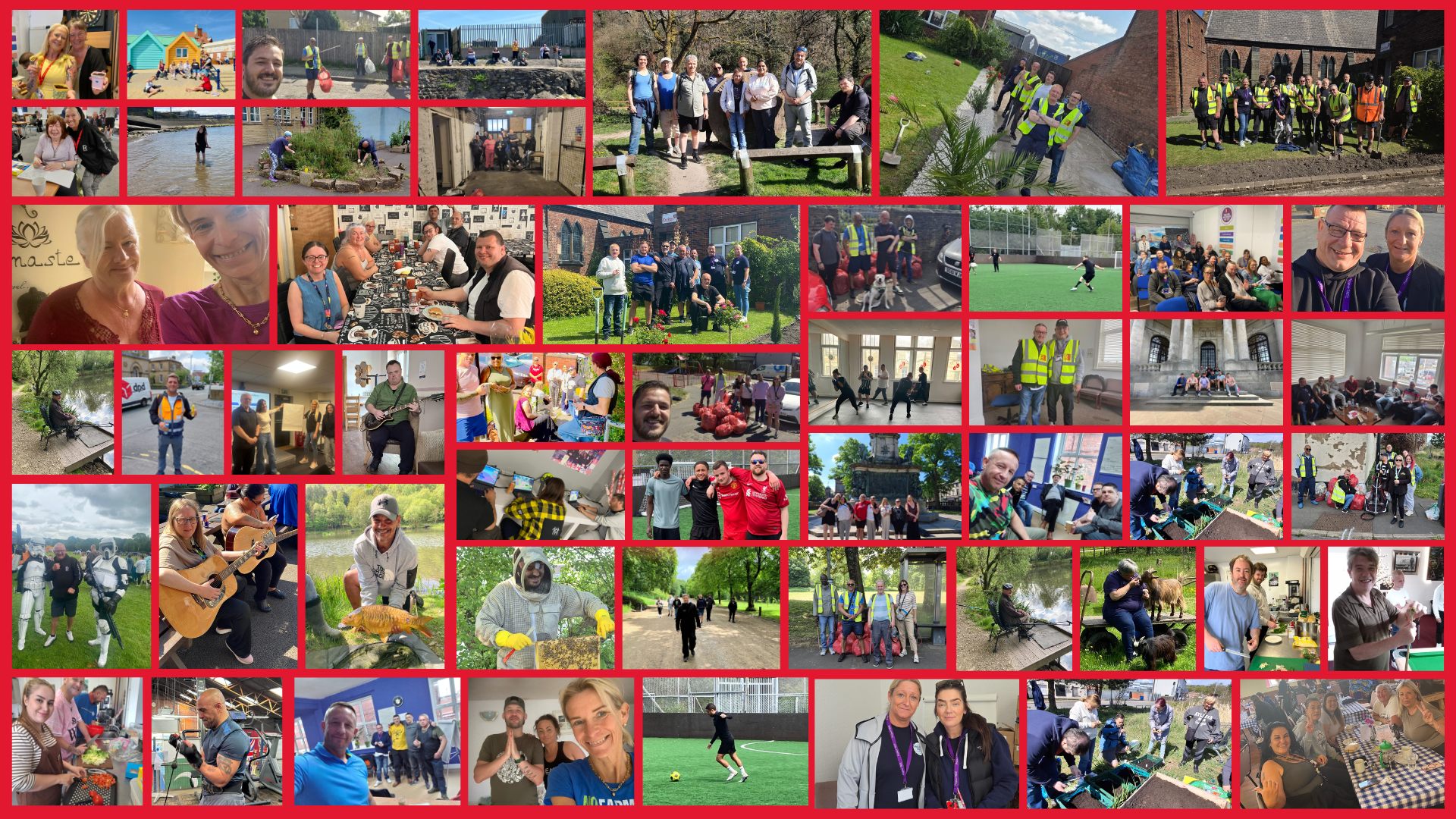
Recovery Infrastructure Organisation
Lancashire county council
Red Rose are commissioned by Lancashire County Council’s Public Health Team to deliver a Recovery Infrastructure Organisation (RIO).
For us this means that we:
- Demonstrate visible recovery, and the various routes to this.
- Build and maintain a vibrant recovery community in Lancashire.
- Provide groups, projects, community events and volunteering opportunities for people in recovery to participate in.
- Support the Lancashire User Forum to provide service users in Lancashire a voice and use this to influence service design, to celebrate recovery, to educate the community and to reduce stigma.
- To manage the Building Recovery in Communities (BRiC) fund to enable projects, for and/or supporting those in recovery to bid for public funds to kickstart their business.
In 2025-26 we had…
Referrals in
Community Projects
Hard Outcomes, such as improved access to family, reduced substance intake, employment opportunities
attendances at our groups, Projects & Events
Red Rose Recovery’s partnership with Lancashire County Council has yielded remarkable results over the past year, demonstrating the profound impact of our collaborative efforts. Through our role as a Recovery Infrastructure Organisation, we have delivered 3,136 group sessions and facilitated 28,295 attendances, showcasing the extensive reach and engagement of our activities.
Our innovative approach has proven to be highly cost-effective, generating an overall organisational return of £13 for every £1 invested, including an incredible £22 return for every £1 spent on reducing substance misuse within our communities. These impressive figures underscore our commitment to creating lasting, positive change in Lancashire.
A Year of Recovery, Community and Opportunity Across Lancashire
Over the last year, Red Rose Recovery has continued to grow its presence across Lancashire, delivering support that is rooted in lived experience, community connection and the belief that recovery is possible for everyone.
Across our North, Central and East localities, thousands of outcomes have been achieved through a combination of structured recovery programmes, peer support, volunteering, outreach and partnership working. More importantly, behind every outcome is a person who has found connection, confidence, purpose and hope.
Building Stronger Recovery Communities
Recovery thrives when people feel connected, valued and part of something bigger than themselves. Throughout the year we have continued to strengthen recovery communities across Lancashire, creating welcoming spaces where people can build friendships, develop new skills and support one another.
Our hubs have become more than places to attend groups. They have become community spaces where people access food support, practical advice, volunteering opportunities, professional services and meaningful social connection. In many areas, people now visit daily, whether to attend a group, meet with support workers, access partner organisations or simply enjoy a safe and welcoming environment.
Volunteer involvement has continued to grow, with many people progressing from attending groups to leading activities, supporting events and helping shape the future of our services. Across Lancashire, volunteers remain the heart of Red Rose Recovery and demonstrate every day the transformative power of lived experience.
Accredited Programmes Creating Lasting Change
This year marked a significant milestone in the development of our recovery offer through the continued expansion of our accredited programmes.
ROAR (Risk of Addiction and Relapse) has become firmly established across all localities, supporting people to understand triggers, manage urges and develop practical strategies for maintaining recovery. The programme has received consistently positive feedback and has seen strong attendance throughout the year.
Alongside ROAR, the LIFE programme has continued to expand, helping people explore subjects such as self-esteem, communication, family relationships, role models, money management and building a pro-social lifestyle. The programme has now been delivered across multiple localities, with participants describing increased confidence, stronger relationships and a greater sense of purpose.
Together these programmes represent an important evolution in Red Rose Recovery’s offer, combining lived experience with evidence-informed approaches to support long-term recovery and personal growth.
A Diverse and Dynamic Group Offer
Our groups continue to reflect the diverse needs and interests of the communities we serve.
Across Lancashire, people have connected through activities including Here and Now, Building Hope, 5 Ways to Wellbeing, Warrior Women, Reach Out for Men, Family Matters, Creative Therapy, Community Cafés, Dance Fitness, Thai Boxing, Football, Sports Clubs, Pool Groups, Gardening, Fishing for Mental Health, Walk and Talk sessions, Recover in Nature, Gaming Groups and Creative Space sessions.
These activities provide far more than entertainment. They create opportunities for connection, routine, confidence building, physical activity, emotional wellbeing and mutual support. Whether someone joins a gardening project, attends a recovery group, participates in sport or simply shares a conversation over tea and toast, every activity contributes to stronger recovery and healthier communities.
The continued success of volunteer-led groups demonstrates the strength and sustainability of our peer-led approach.
Working Together to Achieve More
Partnership working has remained central to everything we do.
Throughout the year we have strengthened relationships with treatment providers, local authorities, mental health services, housing providers, universities, employment services, recovery organisations and community groups.
Across Lancashire, we have worked alongside organisations including Inspire, The Well, Active Lancashire, Healthier Heroes, Lancashire Women, Calico, LDHAS, We Are With You, Hepatitis C Trust, Community Mental Health Teams, Forest of Bowland Trust, Offload, Safenet and many others.
These partnerships have enabled us to create smoother referral pathways, improve access to specialist support, develop innovative projects and ensure people receive joined-up care that addresses the many challenges they may face alongside addiction and recovery.
Taking Recovery Into the Community
One of the most striking features of the year has been the increasing visibility of recovery within local communities.
Red Rose Recovery teams, volunteers and beneficiaries have represented recovery at train stations, job centres, universities, colleges, community open days, Pride events, health conferences, recovery conferences, sports tournaments, public awareness campaigns and local festivals.
Our presence at these events helps challenge stigma, raise awareness and demonstrate the reality of recovery. It also creates opportunities for people who may never have engaged with support services before to start conversations and access help.
Whether delivering lived experience talks to students, supporting rough sleepers, promoting wellbeing at community events or sharing recovery stories through public forums, our community has continued to show that recovery belongs in the heart of society.
Celebrating Recovery Through Events
This year has once again been filled with memorable events that have brought people together from across Lancashire.
LUFStock continued to provide a unique opportunity for families, volunteers, staff and beneficiaries to celebrate recovery together through music, activities and community spirit. Lancashire User Forums have continued to evolve as genuinely peer-led spaces where lived experience shapes discussion, planning and decision making.
We also celebrated achievements through Recovery Games, sports days, recovery walks, charity fundraising events, litter-picking competitions, community outreach projects and seasonal celebrations.
These events remind us that recovery is not simply about overcoming challenges. It is about creating new experiences, developing confidence, building relationships and enjoying life.
Learning, Development and Lived Experience Leadership
Throughout the year, staff and volunteers have continued to invest in learning and development.
Training has covered subjects including co-occurring conditions, trauma-informed approaches, harm reduction, naloxone, gambling awareness, HIV stigma, smoking cessation, chemsex, first aid, boundaries, public speaking and mental health awareness.
At the same time, lived experience has remained at the centre of everything we do. Volunteers and beneficiaries have shared their stories with professionals, students, employers and community groups, helping to educate others and influence how recovery is understood across Lancashire.
Many people who once came to Red Rose Recovery seeking support are now delivering groups, leading projects, speaking at events and helping others begin their own recovery journeys.
Looking Ahead
This year has demonstrated the strength, resilience and ambition of Lancashire’s recovery community.
We have supported people through some of the most challenging moments of their lives whilst creating opportunities for growth, learning and achievement. We have strengthened partnerships, expanded programmes, developed volunteers and increased our presence within local communities.
Most importantly, we have continued to create spaces where people feel accepted, understood and valued.
As we look to the future, we remain committed to ensuring that recovery is visible, accessible and celebrated across Lancashire. Together, we will continue to build communities where people can recover, thrive and realise their full potential.
Community Café and Peer Support Groups, 2025
I first came to Red Rose Recovery feeling isolated and unsure where I fitted in. Recovery can sometimes feel overwhelming, especially when you’re trying to rebuild your confidence and reconnect with people.
From my very first visit, I was made to feel welcome. The staff, volunteers and people attending the groups were friendly, supportive and genuinely interested in helping one another. The Community Café quickly became a place where I felt comfortable, and through attending other groups I began building friendships and routines that have become an important part of my recovery.
What stands out most is the sense of belonging. There is no judgement, just understanding and encouragement. Being around people with lived experience who understand the challenges of recovery has helped me feel less alone and more hopeful about the future.
Red Rose Recovery has given me confidence, connection and a community that I can rely on. I am incredibly grateful for the support I have received and for the positive impact it has had on my life.
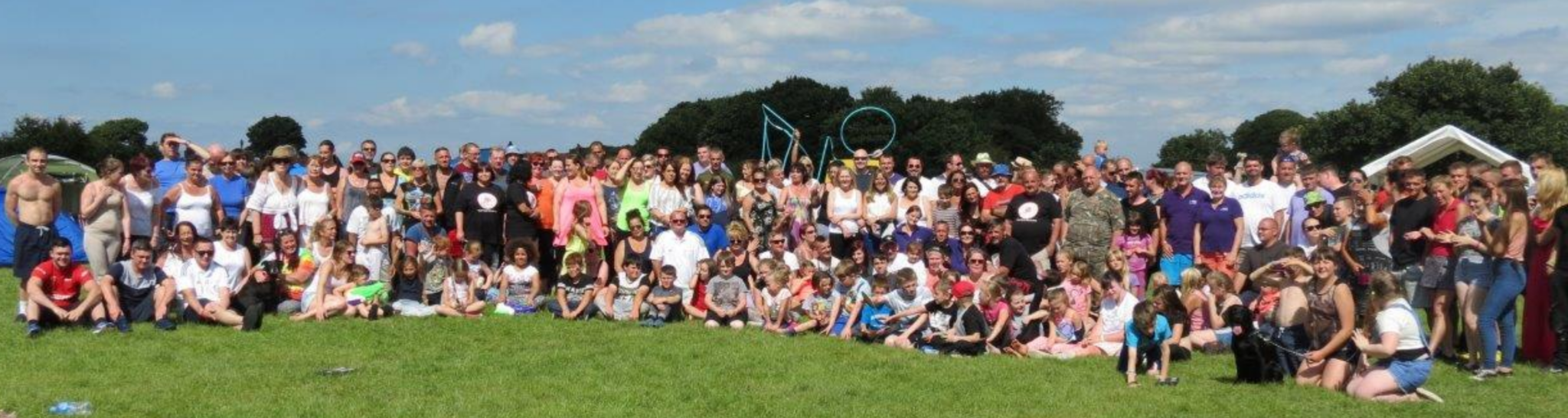
The Lancashire user forum
The Lancashire User Forum (LUF) was originally established in 2006 as a small gathering of people affected by addiction who wanted to support one another and ensure their voices were heard. Almost twenty years later, it has grown into one of the largest and most established recovery forums in the United Kingdom, bringing together individuals, families, carers, volunteers, professionals and organisations from across Lancashire and beyond.
At its heart, the Lancashire User Forum remains true to its original purpose: creating a space where people with lived experience can influence services, shape recovery communities and demonstrate that recovery is both possible and sustainable. What began as a handful of people supporting one another has evolved into a vibrant, countywide movement led by service users and supported by families, volunteers and Red Rose Recovery staff.

Throughout 2025/26, we had over…
People attending the Lancashire User Forum, from a wide range of backgrounds.
Recovery Led and Community Driven
Throughout 2025/26, the Lancashire User Forum continued to provide opportunities for people to connect, learn, celebrate and influence. The forum remains a powerful example of co production in action, with volunteers and people in recovery playing a central role in planning events, chairing steering groups, fundraising, sharing lived experience and supporting others on their recovery journeys.
This year saw increasing involvement from volunteers who have progressed through Red Rose Recovery’s programmes and training opportunities. Speaker Bootcamp graduates received their certificates and began preparing to share their stories publicly, helping inspire others whilst challenging stigma surrounding addiction and recovery.
The Lancashire User Forum Steering Group has continued to grow in strength, with volunteers leading fundraising activities, helping shape future events and ensuring that lived experience remains at the centre of decision making.
Celebrating Recovery Across Lancashire
Throughout the year, Lancashire User Forums continued to bring together recovery communities from across the county, creating opportunities for people to build connections, celebrate achievements and access support from a wide range of organisations and services.
One of the highlights of the year was the annual LUFStock campout, which once again brought together individuals, families, volunteers and staff for a weekend of recovery, friendship and community spirit. Activities ranged from wellbeing sessions and sports to entertainment and family activities, creating lasting memories and strengthening relationships across Lancashire’s recovery community.
The Christmas Lancashire User Forum was another standout event, bringing together people from all three localities to celebrate recovery and recognise achievements throughout the year. The event featured volunteer recognition, programme graduations, partner organisations and a memorable volunteer led pantomime, which quickly became one of the most talked about moments of the year. More than anything, the day demonstrated the creativity, confidence and sense of belonging that recovery can create.
Alongside these larger events, local Lancashire User Forums continued to attract strong attendance throughout the year, providing opportunities for people to influence services, engage with local organisations and ensure that lived experience remains central to recovery provision across Lancashire.
A Platform for Growth and Opportunity
The Lancashire User Forum continues to provide opportunities for people to progress beyond recovery and into leadership, volunteering, education and employment. Many individuals who first attended seeking support are now leading groups, facilitating discussions, mentoring others and helping to shape the future direction of recovery services.
The forum also remains a valuable space for partner organisations to engage directly with people who use services, ensuring that lived experience continues to inform local practice, service development and decision making.
Looking Forward
As the Lancashire User Forum approaches its twentieth year, it continues to demonstrate the power of connection, community and lived experience. More than just an event, LUF has become a movement that celebrates recovery, challenges stigma and creates opportunities for people to contribute, lead and thrive.
Its continued success is a testament to the commitment of the volunteers, beneficiaries, families and partners who make it possible. Together, these achievements demonstrate the strength of a recovery community that continues to grow through lived experience, volunteering and genuine connection.
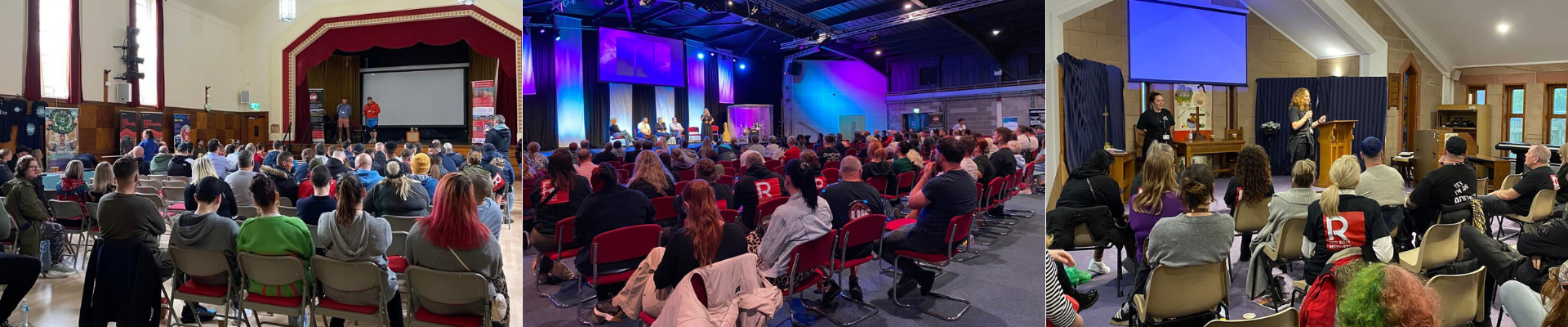


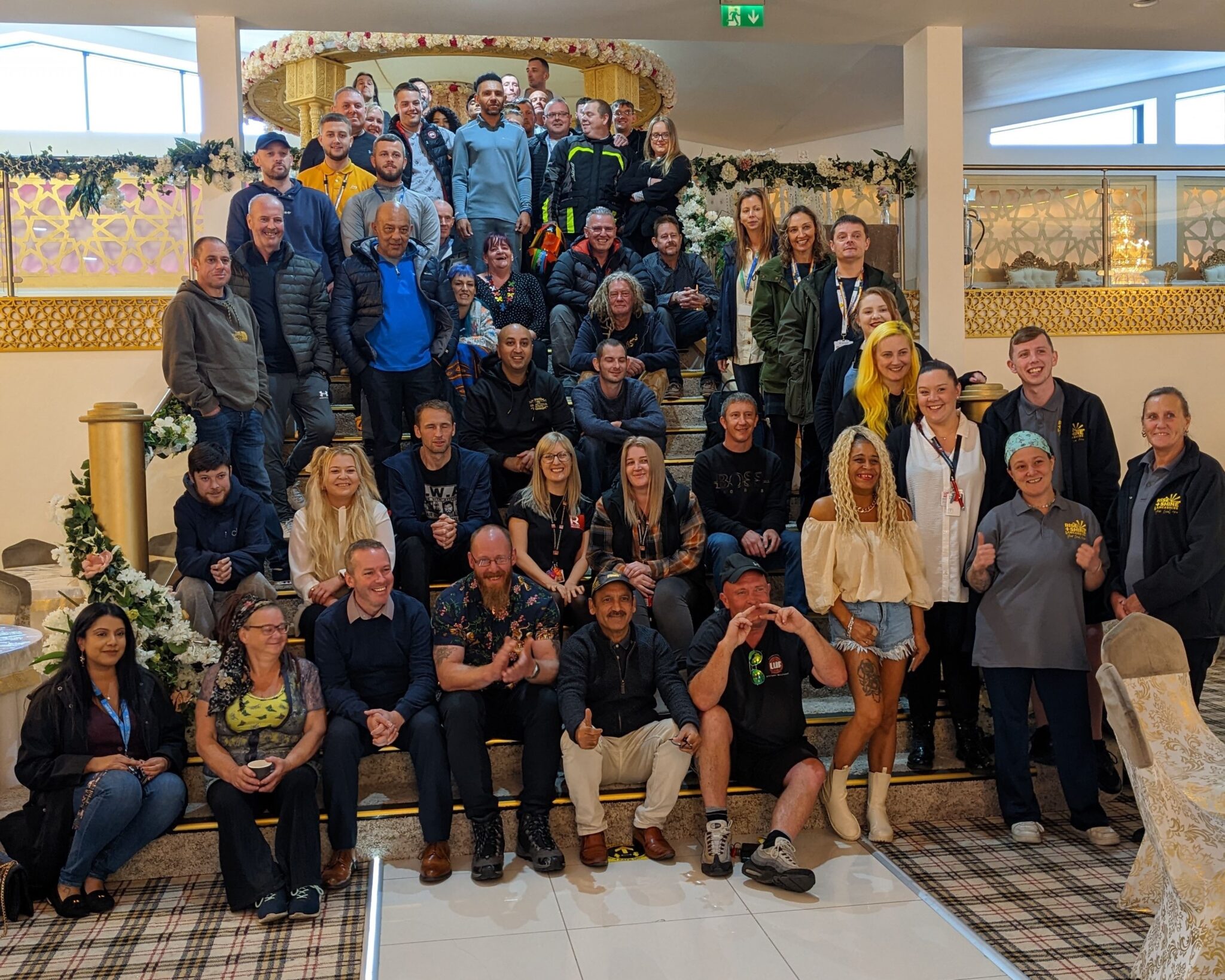
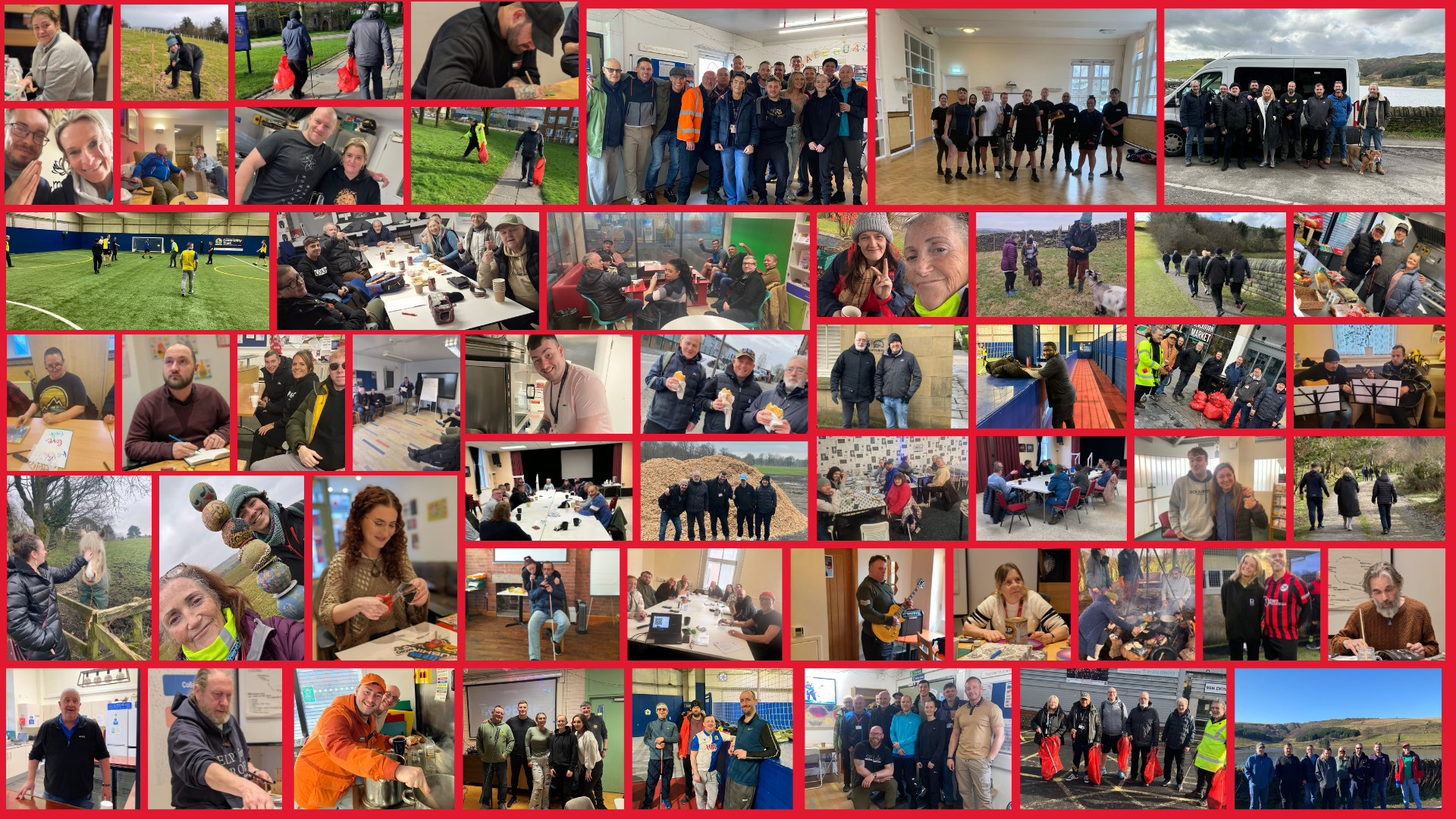
Roots Community is a forum advocating for recovery in the Blackburn-with-Darwen area. By bringing together individuals who have been affected by addiction alongside partner organisations in the recovery sector, the Community seeks to:
- empower and amplify the voices of people accessing services through the maxim ‘nothing about us without us’;
- build recovery capital through the creation of training, development, volunteering and employment opportunities;
- develop positive, practical solutions to the systemic challenges faced by Community members.
Roots Community is a sister organisation to the Lancashire User Forum, a pioneering collective which has grown since its inception in 2006 to become one of the largest forums of its kind in the UK.
Roots Community: Strength in Recovery, Leadership in Action
Roots Community has continued to grow in strength, influence and impact throughout the year, remaining a vibrant and welcoming recovery community for people across Blackburn with Darwen.
What began as a grassroots initiative continues to evolve as a recognised and respected part of the wider recovery landscape. Through the commitment of our staff, volunteers, partners and members, Roots has created a safe and inclusive environment where people are encouraged to connect, develop and thrive.
Building Capacity, Growing Support
Throughout the year, Roots Community has continued to provide a consistent programme of support, creating opportunities for people to access wellbeing activities, peer support, volunteering, personal development and meaningful social connection.
Alongside regular group activities, the team has continued to provide one to one support, wellbeing check ins and practical guidance, helping people overcome barriers, access wider services and continue progressing towards their personal goals.
Our person centred approach ensures that activities continue to evolve in response to the needs of the people who attend, creating a community that is shaped by lived experience and driven by those it exists to support.
Meaningful Activity, Every Day
The variety and consistency of our activities continue to make Roots a reliable anchor within many people’s recovery journeys.
Whether attending wellbeing sessions, creative activities, community projects, peer support groups or social events, members have opportunities to develop confidence, establish routine, build friendships and discover new interests within a supportive recovery environment.
Every activity is designed to promote connection, improve wellbeing and strengthen recovery capital, whilst encouraging people to play an active role within both the Roots Community and the wider Blackburn with Darwen community.
Recognition and National Interest
The continued success of Roots Community has attracted growing interest from organisations both locally and nationally.
Our peer led approach continues to demonstrate the value of lived experience in building sustainable recovery communities, with organisations increasingly seeking to learn from the Roots model and explore how similar approaches can be developed within their own areas.
This recognition reflects the commitment of our staff, volunteers and members, whose passion and dedication continue to make Roots Community a place where people feel welcomed, valued and inspired.
Looking to the Future
Roots Community continues to evolve through new ideas, stronger partnerships and the creativity of the people who shape it.
By remaining responsive to local need and encouraging members to influence the future direction of the service, Roots continues to create opportunities for people to develop confidence, discover purpose and build lasting recovery.
Rooted in Recovery, Growing in Purpose
Roots Community has remained true to its mission: supporting individual recovery whilst empowering people to contribute, lead and connect.
Working alongside local partners and the wider recovery community, Roots continues to provide a welcoming environment where lived experience is valued, relationships flourish and people are supported to realise their potential.
Throughout another successful year, Roots Community has continued to demonstrate what can be achieved when recovery is led by the community itself.
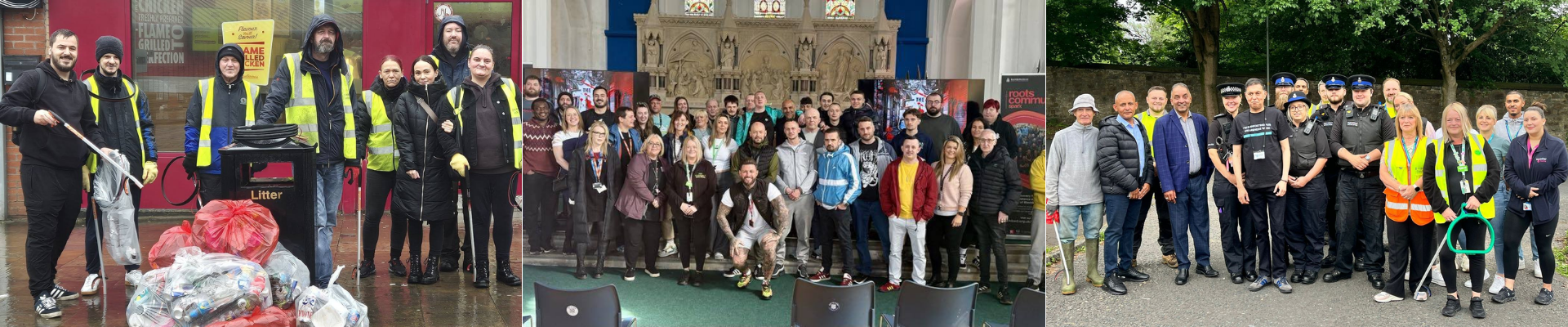

What is North Yorkshire Connected Spaces (NYCS)…
North Yorkshire Connective Spaces (NYCS) is Red Rose Recovery’s growing recovery initiative in North Yorkshire, designed to connect individuals, build resilience, and make recovery visible in a region where support can often feel fragmented and out of reach.
NYCS provides a collective voice for the recovery community in North Yorkshire, bringing together people and groups from all walks of life to meet shared needs around wellbeing, addiction recovery, mental health and social connection. It reflects a grassroots movement where lived experience leads, relationships matter, and communities are strengthened through mutual support.
By hosting regular events and activities, NYCS creates opportunities for people to meet up, socialise, support one another, share ideas, and exchange resources. Whether through group sessions, one-to-one peer support or local partnerships, the project helps people build recovery capital; the social, emotional and practical foundations that help recovery thrive.
It is a space where connection replaces loneliness, experience becomes strength, and everyone has a seat at the table. With every group, every conversation, and every act of kindness, NYCS is helping to grow a recovery community that is inclusive, hopeful, and here to stay.

North Yorkshire Connected Spaces (NYCS): Building Recovery Through Connection
Over the past year, NYCS has continued to foster a vibrant recovery community across North Yorkshire. By bringing together individuals from diverse backgrounds, NYCS has provided a platform for mutual support, shared experiences, and collective growth.
A Community Built on Connection
North Yorkshire Connected Spaces (NYCS) continues to provide a vibrant, inclusive recovery community where people can connect, share experiences and build positive futures together.
Working alongside people with lived experience, local partners and communities across North Yorkshire, NYCS creates opportunities for individuals to build confidence, reduce isolation and strengthen recovery capital through meaningful community involvement. By bringing people together in welcoming, recovery focused environments, the service continues to demonstrate the power of peer support in creating lasting change.
Growing Our Reach
Throughout the year, NYCS has continued to expand across North Yorkshire, strengthening its presence and increasing opportunities for people to access support closer to home.
Building on the success of the service in Harrogate, the team has now expanded into Northallerton, supported by the introduction of a dedicated Team Leader and two Community Peer Engagers, each providing local support within their respective areas.
This expansion marks an important milestone in the development of NYCS, enabling the service to build stronger local relationships, increase community engagement and ensure more people can benefit from peer led recovery support across the county.
Building Stronger Recovery Communities
At the heart of NYCS is the belief that recovery flourishes through connection, belonging and shared purpose.
Throughout the year, the team has continued to facilitate community forums, wellbeing activities, peer support opportunities and local events that encourage people to reconnect with their communities whilst developing confidence, skills and lasting relationships.
Alongside community activities, NYCS continues to work collaboratively with statutory services, voluntary organisations and local partners, ensuring that people with lived experience have opportunities to influence services, contribute to local decision making and help shape the future of recovery support across North Yorkshire.
By placing lived experience at the centre of everything it does, NYCS continues to empower individuals to move beyond recovery and become active contributors within their communities.
Looking Ahead
As North Yorkshire Connected Spaces continues to grow, so too does its ambition.
With an expanding team, stronger partnerships and an increasing presence across North Yorkshire, the service is well placed to continue developing opportunities that promote wellbeing, strengthen recovery communities and ensure that lived experience remains at the heart of local service development.
By continuing to invest in people, partnerships and community led recovery, NYCS will remain a powerful voice for positive change across North Yorkshire.
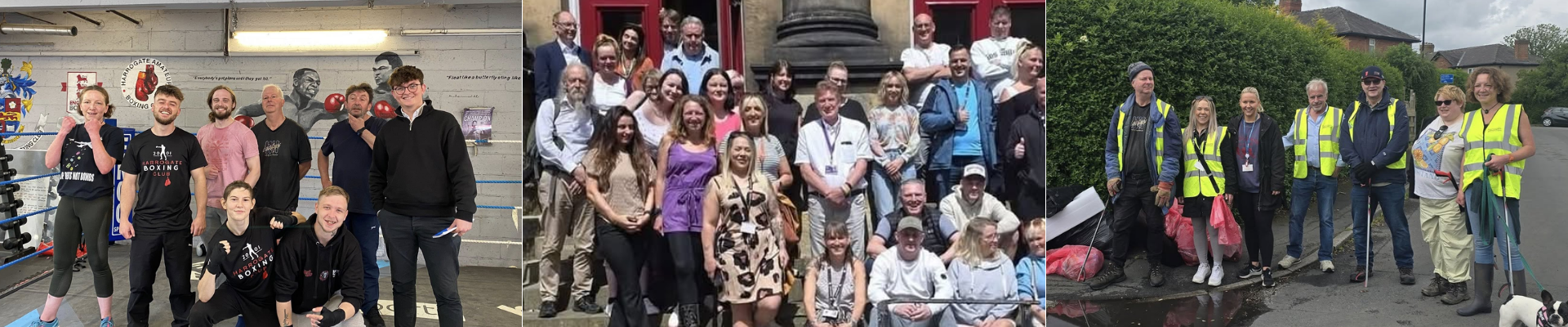
What is Project Free…
Project Free is a lived experience recovery initiative working across Greater Manchester, supporting adults with substance-related offending behaviour to rebuild their lives. The project empowers individuals to break free from addiction and criminality, using the strength of peer support and credible role models to create lasting change.
At its core, Project Free offers more than just support, it provides connection, purpose and belief. Led by a team of individuals with personal experience of both recovery and rehabilitation, the service delivers honest, empathetic support that resonates deeply with those it reaches. Through one-to-one guidance and community-based activity, the project helps people address not only substance use, but also the underlying trauma, social barriers and life circumstances that often drive offending behaviour.
By working with compassion, consistency and lived experience at the heart, Project Free is making a tangible difference in the lives of individuals, families and communities…one person, one conversation, one breakthrough at a time.
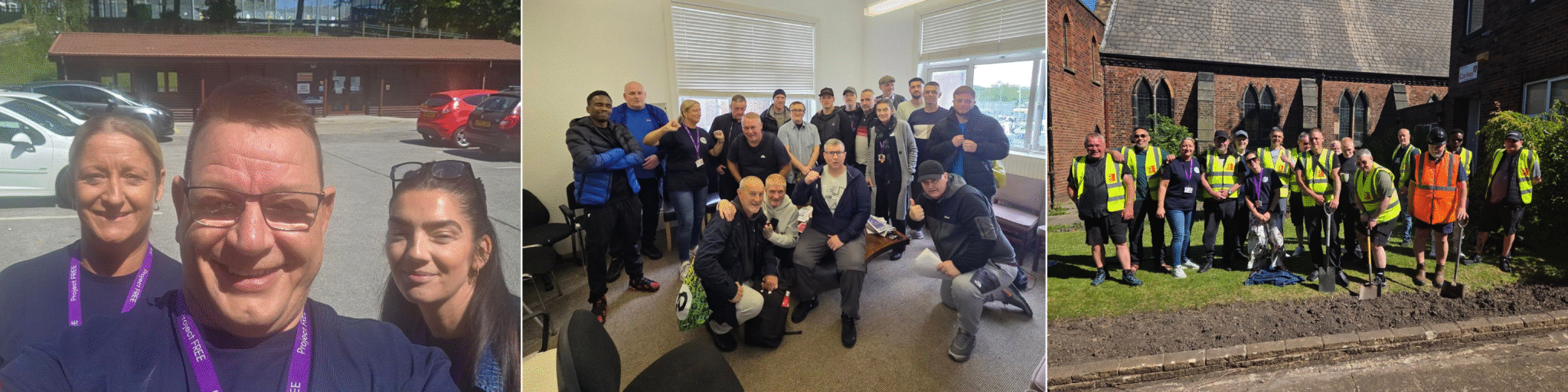
Project Free: Recovery, Rehabilitation and Real-World Change
Project Free has had an inspiring year across Greater Manchester, continuing to support individuals with substance-related offending histories as they journey toward recovery and reintegration. With lived experience at the heart of the service, Project Free has strengthened its impact through bold visibility, personal connection, and authentic community action.
A Different Approach to Recovery
Project Free continues to demonstrate the power of lived experience in supporting people affected by substance misuse, offending behaviour and mental health challenges across Greater Manchester.
Built on the belief that recovery is strengthened through connection, purpose and community, the service provides a welcoming environment where people can rebuild confidence, develop positive relationships and take meaningful steps towards long term recovery. Through peer led support and visible recovery activities, Project Free continues to challenge stigma whilst creating opportunities for people to become active members of their communities.
Building Recovery Capital
Throughout the year, Project Free has continued to expand its programme of groups, community activities and events, providing opportunities for people to build recovery capital through connection, learning and shared experience.
From creative wellbeing sessions and recovery forums to community action projects, accredited learning and peer support, every activity has been designed to help people rediscover purpose, strengthen resilience and develop the confidence to move forward. The service continues to work alongside individuals both within the community and as they transition from prison back into local neighbourhoods, helping to create sustainable pathways into recovery.
Making Recovery Visible
One of Project Free’s defining principles is making recovery visible within local communities.
Throughout the year the team has delivered a range of community action projects, recovery forums and public engagement events that have brought together beneficiaries, professionals, partner organisations and local residents. These activities not only promote positive wellbeing but also challenge stigma, demonstrate the value of lived experience and encourage stronger community connections.
Project Free has also continued to strengthen relationships with local partners, voluntary organisations, health services and the criminal justice system, ensuring that people receive joined up support whilst contributing to the wider development of recovery communities across Greater Manchester.
Influencing Change Through Lived Experience
Project Free is about more than delivering support. It is about ensuring the voices of people with lived experience help shape future services.
Throughout the year the team has continued to involve beneficiaries in co production, consultation and service development, ensuring that local people play an active role in influencing how recovery support is designed and delivered. By creating opportunities for people to share their experiences, develop new skills and become community leaders themselves, Project Free continues to demonstrate the lasting value of peer led recovery.
Looking Ahead
As Project Free continues to grow, our ambition remains the same: to create communities where recovery is visible, people feel connected and lived experience is recognised as a powerful catalyst for change.
By continuing to invest in peer leadership, community engagement and partnership working, Project Free will remain committed to helping people build meaningful lives beyond addiction and the criminal justice system whilst strengthening recovery communities across Greater Manchester.
From Lived Experience to Leading Change: The Story Behind Project Free
Two Years of Hope and Transformation
For two years, Project Free has been a beacon of hope for individuals navigating the complexities of addiction recovery and the criminal justice system. Born from a deeply personal journey, the project stands as a testament to the power of lived experience and the unwavering belief in the possibility of change.
The founder’s story is one of profound transformation. From the age of ten, entangled in the care system, followed by years within the criminal justice system from the age of fourteen, culminating in decades of imprisonment, the path was challenging. Early experimentation led to entrenched drug use by the age of 21, and a long period of reliance on prescribed medications. At 45, a pivotal decision was made: to seek genuine recovery. Entering rehabilitation marked the beginning of a new chapter, encompassing detox and comprehensive aftercare.
Twelve months into sustained recovery, a significant opportunity arose: a role within the criminal justice sector with Acorn. This experience paved the way for further involvement in innovative approaches to support those facing similar challenges. The onset of lockdown prompted a shift to online learning, with the founder successfully completing Health and Social Care qualifications, further solidifying their commitment to this field.
Maintaining recovery for over 20 months post-release brought profound personal rewards. Reconnecting with family, witnessing significant milestones like brothers and daughters’ weddings, and nieces’ weddings, reinforced the value of the journey. Yet, a sense of purpose remained, a desire to give back.
Reflecting on the lack of local heroes with lived experience within the community, the founder was driven to act. A passion for supporting individuals leaving prison ignited the creation of Project Free, a Community Interest Company, established two years ago in 2023.
A reconnection with a former drug worker, encountered 25 years prior within the community, proved instrumental. Upon learning of Project Free’s mission, this individual became a dedicated supporter, attending drop-in centres and collaborating with probation and prison services. Drug services provided crucial support by securing venues for events and group sessions focused on addiction recovery and criminal justice. This collaboration demonstrated that, with the right support, hope can be rekindled.
A pivotal moment in Project Free’s development came through a mutual friend of the founder, who connected the project with Matthew Kid. Matthew’s support proved invaluable, helping to secure crucial funding. Alongside Tom Woodcock and Peter Yarwood, Matthew provided essential oversight and facilitated the holding and raising of resources through his existing company’s bank account. His continued support as part of the steering group remains a cornerstone of Project Free’s ongoing success.
Throughout the past two years, the project has fostered a strong partnership with Peter Yarwood from Red Rose Recovery, a relationship built on years of shared experience within the system. This collaboration has been pivotal in securing funding and developing Project Free, demonstrating the power of shared values and lived experience.
Project Free is committed to empowering individuals with lived experience by offering volunteer opportunities within the organisation. This not only provides valuable experience but also fosters a sense of belonging and purpose. Expanding its reach beyond Bury, Project Free has established services in Oldham, extending its support to the wider Greater Manchester area.
The project has achieved remarkable outcomes and forged strong links with partner organisations, including Acorn, Calico, and Achieve Action Together. The dedication and lived experience of the Red Rose Recovery team have been invaluable, providing unwavering support to those who have lost hope and are trapped within the criminal justice system.
At the heart of Project Free is a commitment to maintaining personal recovery and demonstrating that a path to a fulfilling life is possible. By sharing their own journeys, the team at Project Free offer a tangible example of hope and transformation, proving that recovery is not just a possibility, but a reality. Just like the team at Red Rose Recovery, Project Free believes in the potential of every individual to find their path to a brighter future.
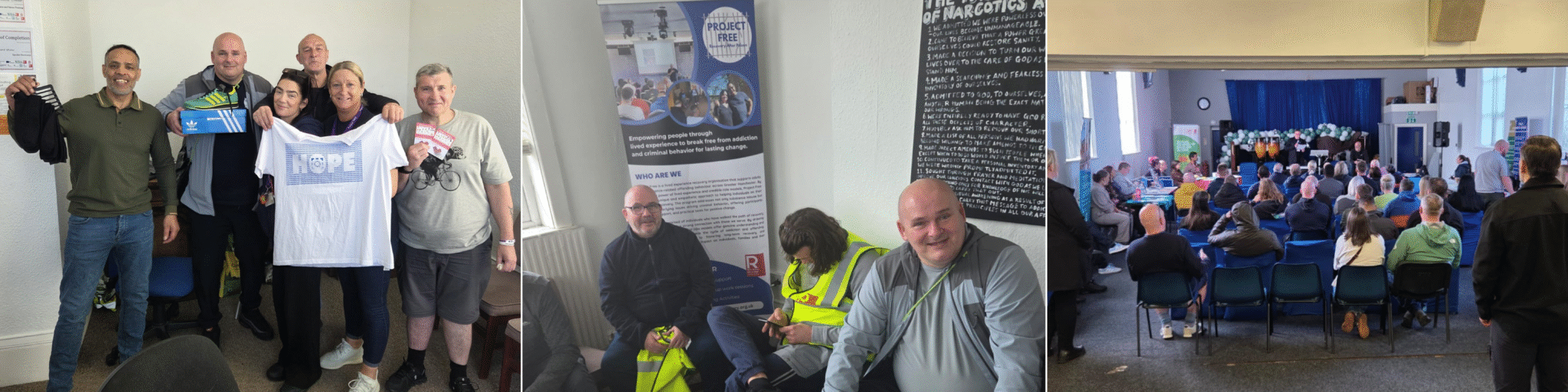
Community Asset Funding
Investing in People. Strengthening Communities.
At Red Rose Recovery, we believe that lasting recovery is built within strong, connected communities. Whilst supporting individuals remains at the heart of what we do, we also recognise the importance of investing in the places, organisations and people that make recovery possible.
Our Community Asset Funding programmes continue to provide financial support, guidance and development opportunities to grassroots organisations, community groups and individuals who are passionate about improving the lives of others. By helping local ideas become sustainable projects, we are creating recovery ready communities where people can access support, build relationships and develop opportunities close to home.
During 2025/26, our investment in community led initiatives continued through the Building Recovery in Communities (BRiC) Fund and Stepping Stones, whilst also celebrating the successful launch of our brand new Social Impact Fund. Together, these three programmes have supported projects ranging from recovery groups and wellbeing activities to community spaces, social enterprises and initiatives designed to reduce isolation, improve mental health and strengthen local communities across Lancashire.
Every grant awarded represents more than financial support. It is an investment in local people, lived experience and the belief that communities themselves are best placed to create lasting positive change.

Building Recovery in Communities (Bric)
The Building Recovery in Communities (BRiC) Fund, managed by Red Rose Recovery, provides grants to social enterprises, community organisations and grassroots projects across Lancashire that support individuals, families and communities affected by substance misuse.
Awards of up to £4,999 continue to help organisations establish new initiatives, expand existing projects and create lasting opportunities for recovery, wellbeing and community connection.
In 2025/26, there were…
Applications received for BRIC funding
Successful Applicants who passed the interview stages to receive their funding
£'s Given in funding to help start & support community projects & organisations
Stepping Stones
Stepping Stones provides grants of up to £1,000 to support smaller community projects that make a meaningful difference to people in recovery and the wider community.
Created in response to community feedback, Stepping Stones offers a simpler and more accessible funding route for grassroots initiatives that may not require larger grants but can still have a significant local impact. The programme continues to encourage innovation, helping volunteers and community groups turn ideas into reality whilst strengthening local recovery networks.
In 2025/26, there were…
Applications received for Stepping Stones funding
Successful Applicants who passed the interview stages to receive their Stepping Stones funding
£'s Given in funding to help start & support community projects & organisations with Stepping Stones
Social Impact Fund
Building Communities for Wellbeing
Launched during 2025/26, the Social Impact Fund represents Red Rose Recovery’s own investment into creating stronger, healthier and more connected communities.
Building on the success of BRiC and our years of experience working alongside local people, the Social Impact Fund provides grants of up to £1,500 to help develop spaces dedicated to wellbeing, recovery and community resilience. Alongside financial support, applicants receive guidance with partnership development, business planning and community development, helping projects become sustainable long after the initial funding has been awarded.
The fund reflects our belief that investing in local people creates lasting change, empowering communities to develop solutions that improve lives for generations to come.
In 2025/26, there were…
Applications received for Stepping Stones funding
Successful Applicants who passed the interview stages to receive their Stepping Stones funding
£'s Given in funding to help start & support community projects & organisations with Stepping Stones
Mental Health Services
We are commissioned to deliver several Mental Health based contracts throughout Lancashire & South Cumbria, which includes, amongst others, Mental Health Peer Support, Long-Covid, Dual Diagnosis, Initial Response and Harm Reduction Support Services.
OUR MENTAL HEALTH CONTRACTS IN A NUTSHELL…
Red Rose Recovery continues to deliver a range of Mental Health services across Lancashire and South Cumbria, supporting people experiencing a wide variety of mental health challenges through compassionate, person centred and recovery focused support.
Working alongside NHS partners, local authorities and community organisations, our Mental Health teams help people build confidence, improve wellbeing, reconnect with their communities and regain control of their lives. Every service is underpinned by lived experience, recognising that genuine understanding, hope and meaningful relationships can play a vital role in recovery.
During 2025/26, our Mental Health services continued to evolve to meet changing local need. Led by an experienced Service Lead and four dedicated Team Leaders, our workforce has adapted throughout the year to ensure resources are directed where they are needed most, allowing us to remain responsive whilst continuing to deliver high quality support across Lancashire and South Cumbria.
MENTAL HEALTH PEER SUPPORT
OVERVIEW OF THE MENTAL HEALTH PEER SUPPORT CONTRACT
Our Mental Health Peer Support service, delivered through the Calico led Zest partnership, continues to provide one to one support for hundreds of people living with mental ill health across Lancashire and South Cumbria.
Using the strength of lived experience, Peer Support Workers help individuals identify goals, develop coping strategies, improve confidence and rebuild connections with their local communities. Rather than focusing solely on symptoms, the service supports people to rediscover purpose, independence and hope.
Throughout the year our teams have worked closely alongside Community Mental Health Teams, Primary Care Networks and voluntary sector partners, attending regular operational meetings, transformation groups and Enhanced Multi Disciplinary Team meetings to ensure support remains joined up and person centred.
As the service has matured, our teams have become increasingly flexible, adapting resources across localities to respond to changing levels of demand whilst maintaining continuity of care. This approach has enabled more people to receive timely support whilst strengthening relationships with our NHS and community partners.
Every day our Peer Support Workers help people overcome isolation, rebuild family relationships, improve their emotional wellbeing, access education and employment opportunities, engage with community activities and develop the confidence needed to sustain long term recovery.
Physical Health Checks for People with SMI
Our Physical Health Checks service continues to play an important role in addressing the significant health inequalities experienced by people living with Serious Mental Illness.
Working alongside Primary Care and Community Mental Health services, the team supports individuals to access essential physical health checks, navigate healthcare systems and engage with services that many have previously found difficult to access.
By reducing barriers and providing practical support, the service helps ensure that physical health receives the same attention as mental wellbeing, improving early intervention, reducing health inequalities and encouraging people to take a more active role in managing their own health.
As the service has become more established, it has become an increasingly integrated part of local mental health pathways, strengthening collaboration between statutory services and community based support.
Immediate Response Service (IRS)
During the year we concluded delivery of the Immediate Response Service following changes to local commissioning arrangements.
The service provided rapid, short term support for people experiencing mental health crisis, helping individuals access housing, domestic abuse support, addiction services and wider community resources during periods of acute need.
Although the contract has now ended, the learning, relationships and experience gained through this work continue to strengthen our wider Mental Health services, ensuring people experiencing crisis remain at the centre of our approach.
Dual Diagnosis Workers
Our dedicated Dual Diagnosis Workers continue to provide specialist support for people experiencing both mental ill health and substance misuse.
Recognising the close relationship between these challenges, the service offers tailored one to one support alongside opportunities for peer connection, recovery planning and practical problem solving.
Working collaboratively with mental health teams, treatment providers and community organisations, our Dual Diagnosis Workers help people navigate complex systems, improve wellbeing and build sustainable recovery through coordinated, compassionate support.
Looking Ahead
Across every Mental Health service we deliver, one thing remains constant: recovery is built through relationships.
Whether supporting someone leaving hospital, helping an individual regain confidence after years of isolation, improving access to physical healthcare or walking alongside people experiencing multiple and complex challenges, our teams continue to demonstrate the unique value of lived experience.
We remain proud of the trust placed in us by commissioners, NHS partners and, most importantly, the people who choose to share their recovery journeys with us. As demand for mental health support continues to grow, Red Rose Recovery remains committed to delivering services that are compassionate, innovative and centred around the belief that recovery is possible for everyone.
Beneficiary, Mental Health Peer Support, 2025
When I first came to Red Rose Recovery, I had completely lost confidence in myself. I had been struggling with my mental health for a long time and had reached the point where I rarely left the house. Even simple things like answering the phone or going to appointments felt overwhelming. I felt isolated, exhausted and convinced that things would never improve.
From my very first meeting, I was treated like a person rather than a problem. Nobody judged me or expected me to recover overnight. My Peer Support Worker listened to me, helped me understand that recovery wasn’t about taking huge steps, but about taking the next small one.
Over the months we worked together, I slowly began rebuilding my confidence. We celebrated the small victories that I would once have ignored, whether it was attending an appointment, going for a walk or reconnecting with family members I hadn’t spoken to for a long time. Those achievements gradually became bigger ones.
Today I have a routine again. I am spending time with people, looking after my health and beginning to think positively about the future. There are still difficult days, but I now have the confidence and the support network to manage them.
Red Rose Recovery helped me find hope when I genuinely believed there wasn’t any left. They didn’t just support my mental health; they helped me believe that I still had a future worth working towards, and for that I will always be grateful.
Case Study: A Life Saved Through Compassion and Persistence
One of our volunteers reached out to me, explaining she had met someone in crisis who needed help urgently. That same day, a man walked into our hub looking broken and afraid. With gentle curiosity, I listened as he explained that he had tried to take his life the night before in a hotel room. He had stopped himself, saying that although he wanted to live, he could no longer cope without his ADHD medication. He had lost it two weeks earlier while sleeping rough.
He had tried every route he could think of. He had phoned 111, who told him they could not help due to the type of medication. His GP also said they could not assist. Feeling hopeless, depressed and exhausted from life on the streets, he had almost given up.
He explained that he knew I probably could not help, but this was his last hope. I told him we would do everything we could. Together we contacted the mental health team, but they said they could not help unless he had a referral through the crisis line. I then contacted his GP surgery, who told me that if he could get to their Morecambe branch within the hour, they might be able to help.
He looked devastated. He had no money, no transport, no energy left. I offered to drive him there and took a volunteer with me for support. When we arrived, the man became overwhelmed and emotional, struggling to speak with the receptionist. I gently encouraged him to step outside while I explained the situation. I told the receptionist that he was at serious risk and that without help, he might not make it through the day. She took it seriously and called around. Within minutes, a doctor was on their way to approve the prescription, and we were told we could collect it from a pharmacy within the hour.
When I broke the news, he cried and said, “I can’t believe it’s over. You’ve saved my life.” We picked up the medication and brought him back to the hub. That week, he came in every day, joined groups, and began to reconnect with people. He even brought a plant for the space with a handwritten thank you note.
This story is a reminder that sometimes, all someone needs is a person willing to go the extra mile. Without that support, he may not have made it. With it, he found hope, connection, and a reason to keep going.
Community Mental Health Practitioner, NHS Partner, 2025
Working alongside Red Rose Recovery over the past year has reinforced just how valuable lived experience is within mental health services.
The Peer Support Workers consistently engage people who often struggle to build relationships with traditional services. They have an exceptional ability to gain trust, reduce anxiety and help people feel understood in a way that is both genuine and empowering. Time and again we have seen individuals who were previously reluctant to engage begin attending appointments, reconnecting with their communities and making significant progress because of the support they have received.
Communication between our teams has been excellent throughout. Red Rose Recovery staff work collaboratively, share information appropriately and always place the needs of the individual at the centre of everything they do. Their flexibility, professionalism and willingness to go above and beyond has made them an integral part of our local mental health pathway.
Perhaps the greatest strength of the service is that it offers something which clinical interventions alone cannot always provide: hope. Seeing someone who has faced similar challenges and rebuilt their own life gives people confidence that recovery is genuinely possible.
Red Rose Recovery has become a trusted and highly respected partner within our local mental health system. The difference they make to the lives of the people we support is evident every single day, and their contribution to improving mental health outcomes across our communities cannot be overstated.
Service User, 2025
When I was first referred to Red Rose Recovery, I felt completely overwhelmed. My mental health had deteriorated to the point where I had stopped answering my phone, avoided friends and family, and rarely left the house. Every day felt like I was simply existing rather than living, and I couldn’t see a way forward.
From the very beginning, I was treated with kindness, patience and respect. Nobody made me feel judged or pressured. Instead, I was encouraged to take things one step at a time, focusing on small achievements that slowly helped rebuild my confidence.
Over the months, my Peer Support Worker helped me attend appointments I had been avoiding, introduced me to community activities, and encouraged me to reconnect with people who cared about me. They celebrated every success, no matter how small it seemed at the time, and reminded me that setbacks didn’t mean failure.
Today, I feel like a completely different person. I have a routine, I’m looking after my physical and mental health, and I’m spending time with family again. I’ve even started volunteering, something I never imagined I’d have the confidence to do.
The support I received wasn’t just about improving my mental health. It helped me believe in myself again. Knowing there was someone who genuinely cared, listened without judgement and believed I could recover made all the difference. Red Rose Recovery gave me hope at a time when I had none, and for that I will always be grateful.
Criminal Justice and Recovery Pathways
Almost half of the people using probation services have a drug and/or alcohol misuse need (HMIP, 2021).
Substance use interventions are vital given that drug-related deaths have increased by 80% since 2012, and the harms from drug misuse cost £19.3 billion per year (DHSC, 2021)
Over the past year, our Criminal Justice programme has made a substantial impact in supporting 167 individuals to reduce reoffending, generating nearly £6 million in social, health, and economic value and returning £12 for every £1 invested.
Through a multifaceted approach that combines personalised interventions, comprehensive support services, lived experience and strong partnership working, we continue to support individuals to reduce offending behaviour, improve wellbeing and build safer, healthier futures.
Criminal Justice: Sustained Support from Custody to Community
Our Criminal Justice team continues to play a vital role in supporting individuals involved in the justice system across Lancashire and South Cumbria. With a well established and trusted presence across the region, we operate consistently within nine police custody suites and work directly within local communities, providing support at some of the most critical points in an individual’s recovery journey.
Working in close collaboration with the Probation Service, NHS Liaison and Diversion, forensic mental health services, community policing teams, Integrated Offender Management, local authorities and treatment providers, our approach remains deeply embedded within the wider support system. This integrated model allows us to provide seamless support from first contact with the criminal justice system through to long term recovery within the community.
Our tailored interventions are designed to break cycles of offending and build pathways towards sustainable recovery. These include risk reduction planning, one to one peer support, mental health and wellbeing interventions, recovery focused groups, practical support and access to community resources. Every interaction is shaped by compassion, lived experience and a belief that recovery is possible.
A core element of our work continues to be the NHS Liaison and Diversion service. Our Peer Support Workers, many of whom have direct lived experience of addiction and the criminal justice system, are embedded within police custody suites, providing practical support, empathy and a vital connection to community based recovery services. Their presence often provides the first opportunity for individuals to consider a different future.
Alongside Liaison and Diversion, Red Rose Recovery now delivers additional Criminal Justice support through the Substance Misuse Treatment and Recovery Grant (SSMTRG). This work strengthens our ability to support individuals whose offending behaviour is closely linked to substance misuse, helping people engage with treatment, access recovery support and address the wider issues affecting their lives, including housing, mental health, family relationships and social isolation.
By maintaining strong partnerships and a deeply person centred approach, our Criminal Justice services continue to play a critical role in reducing reoffending, supporting recovery and helping individuals build positive futures for themselves, their families and their communities.
changing futures
What is Changing Futures?
Changing Futures was a national programme led by the Department for Levelling Up, Housing and Communities, designed to improve outcomes for adults experiencing multiple disadvantage, including homelessness, substance misuse, mental ill health and contact with the criminal justice system.
The programme aimed not only to improve outcomes for individuals, but also to transform the way organisations worked together, creating more joined up, person centred services for those facing the most complex challenges.
Following the successful delivery of the programme across Lancashire, the Changing Futures contract concluded during 2025/26.
Changing Futures: Rebuilding Trust, Transforming Lives
Throughout the final year of delivery, Red Rose Recovery continued to play a significant role within the Lancashire Changing Futures partnership. Our teams of Navigators, Associate Navigators and Peer Mentors worked alongside some of the most marginalised individuals within our communities, supporting people who often experienced multiple and overlapping challenges including homelessness, addiction, poor mental health and repeated contact with the criminal justice system.
Using a trauma informed and person centred approach, our staff built trusted relationships that enabled individuals to access services, rebuild confidence and begin making positive changes at their own pace. Rather than expecting people to fit around services, our Navigators worked alongside them, advocating on their behalf, coordinating support and helping remove the barriers that had previously prevented progress.
The programme continued to demonstrate the value of lived experience, with Peer Mentors offering hope, understanding and credibility that helped many people re engage with services they had previously avoided.
Alongside supporting individuals, Red Rose Recovery contributed to the wider aims of Changing Futures by strengthening partnership working across Lancashire and helping shape more collaborative approaches to supporting people experiencing multiple disadvantage. The learning, relationships and innovative approaches developed through the programme continue to influence the way we work across many of our current services.
Although the programme has now concluded, its legacy remains evident throughout Red Rose Recovery. The principles of trauma informed practice, partnership working, lived experience and person centred support continue to underpin the services we deliver every day, ensuring the impact of Changing Futures will continue long after the programme itself has ended.
Service User, 2025
Changing Futures helped me through one of the hardest periods of my life. At the time I felt isolated, overwhelmed and had completely lost direction. Instead of telling me what I should do, she listened, understood where I was coming from and helped me take things one step at a time.
For the first time in years I felt like somebody genuinely believed in me. That gave me the confidence to start believing in myself.
The support wasn’t just about appointments or referrals. It was about having someone alongside me who never gave up, even when I struggled to keep going myself.
Although the programme has now finished, the impact it had on my life hasn’t. I still use the coping strategies we worked on, I’m far more connected with people around me and I feel hopeful about my future in a way I never thought possible.
I will always be grateful that Changing Futures came into my life when it did.
Service User, 2025
Seeing Vish at Red Rose Recovery has helped me get out of the house in a period of isolation and allowed me to set positive goals to try to help me reach a more comfortable position in life where I can work on deep rooted depression. She is very friendly and listens to what I have to say. Our meetings so far have been very positive.
Reach
Introduction and Focus
REACH is Red Rose Recovery’s dedicated outreach and engagement service, delivered in partnership with Change Grow Live (CGL) across Lancashire.
The service has been developed to support individuals who experience barriers to engaging with substance misuse treatment, particularly those who have disengaged from services, struggle to attend appointments or require additional support to begin their recovery journey.
Rather than waiting for people to access support, REACH takes recovery into the community. Through proactive outreach, practical assistance and relationship based support, the team works alongside individuals to reduce barriers, improve engagement and help people reconnect with treatment and wider recovery opportunities.
Using evidence based approaches, including the COM-B behaviour change model, the team identifies the individual factors preventing engagement and develops personalised interventions that support sustainable change.
Outreach and Engagement
REACH provides flexible, person centred outreach across North, Central and East Lancashire, supporting some of the most vulnerable individuals within our communities.
The service offers practical engagement support including welfare and wellbeing checks, attendance at appointments, support accessing detoxification and residential rehabilitation, and outreach to people who have lost contact with treatment services.
By meeting people where they are, both physically and emotionally, REACH helps remove many of the barriers that can prevent individuals from accessing the support they need.
Supporting Recovery Pathways
REACH works with a wide range of individuals, including those who have disengaged from Change Grow Live services, people struggling to maintain engagement with treatment, and individuals known to Red Rose Recovery who would benefit from accessing specialist substance misuse support.
The team works closely with CGL staff, healthcare professionals and community partners to strengthen recovery pathways, ensuring individuals receive timely support whilst reducing the likelihood of people falling through gaps between services.
Support is tailored to each individual, recognising that recovery looks different for everyone. Whether accompanying someone to their first appointment, rebuilding confidence following relapse or helping overcome practical barriers such as transport, housing or anxiety, REACH provides the additional support needed to keep recovery moving forward.
Partnership Working
Partnership working sits at the heart of REACH.
Working alongside Change Grow Live and a wide range of statutory and voluntary sector organisations, the team provides an additional layer of engagement that complements existing treatment services and improves access for individuals who may otherwise struggle to engage.
By combining lived experience, outreach and evidence based practice, REACH strengthens local recovery systems whilst improving communication and collaboration between services across Lancashire.
Looking Ahead
Although still a relatively new service, REACH has already established itself as an important part of Lancashire’s substance misuse treatment pathway.
By reducing barriers, increasing engagement and supporting individuals to access treatment earlier, the service is helping more people begin and sustain their recovery journeys.
As the service continues to develop, Red Rose Recovery remains committed to working alongside Change Grow Live and our wider partners to ensure that nobody is left behind simply because they find it difficult to access support.
Responding to emerging needs
Red Rose Recovery has always been driven by the needs of the communities we serve. As new challenges emerge and local priorities evolve, we remain committed to developing innovative, evidence informed services that respond quickly to changing demand. By working closely with commissioners, partners and people with lived experience, we continue to identify gaps in provision and create new opportunities for people to access the right support at the right time.
This year has seen the introduction of several new initiatives, each designed to address emerging needs, strengthen specialist support and ensure our services continue to evolve alongside the communities we work with.
Domestic Abuse Support
Strengthening Specialist Support
Recognising the close relationship between domestic abuse, trauma and substance misuse, Red Rose Recovery has continued to strengthen its workforce by investing in specialist domestic abuse provision.
During the year, members of our team have completed Independent Domestic Violence Advocate (IDVA) training, enhancing our ability to identify risk, provide informed support and respond effectively to people experiencing domestic abuse alongside other complex challenges. As the service begins accepting referrals, this additional expertise will help ensure individuals can access compassionate, person centred support whilst being connected with the most appropriate specialist services.
Looking Ahead
As referrals begin to increase, we look forward to embedding this new provision within our wider service offer, strengthening partnership working and ensuring people affected by domestic abuse receive timely, coordinated and trauma informed support.
Ketamine Addiction
Responding to a Growing Challenge
As patterns of substance use continue to evolve, Red Rose Recovery has recognised the increasing need for specialist support for people affected by ketamine use. In response, we have begun developing a dedicated programme designed to address the unique challenges associated with ketamine dependency, providing tailored support that complements existing treatment and recovery pathways.
The service is being delivered by a dedicated team with experience in substance misuse and recovery, offering specialist group programmes for both individuals affected by ketamine use and their families. By creating safe spaces to share experiences, build understanding and access practical support, we aim to improve engagement, strengthen recovery and ensure people receive support that reflects their individual needs.
Looking Ahead
As the programme continues to develop, we look forward to expanding our specialist offer, strengthening partnerships and supporting more people and families affected by ketamine use across Lancashire.
Veteran Support
Supporting Those Who Have Served
Towards the end of the year, Red Rose Recovery was proud to secure funding through the Hidden Voices programme, made possible by BAE Systems and The Armed Forces Covenant Fund Trust, to establish a dedicated Veterans Support Service across Lancashire.
The new provision has been developed to ensure that serving personnel, veterans and their families can access tailored, person centred support that recognises the unique experiences and challenges associated with military life. The programme focuses on improving mental health and wellbeing, encouraging early intervention and prevention, and ensuring that veterans who may struggle to access mainstream services are able to receive the support they need.
A Peer Led Approach
Our Veterans Support Service is delivered through a peer led model, with staff bringing lived experience of both military service and recovery. This shared understanding helps build trust, reduce barriers to engagement and create supportive relationships that empower individuals to move forward with confidence.
Support will include one to one peer mentoring, practical guidance, community engagement opportunities and assistance to access health, housing, welfare and specialist services. Veterans will also be able to benefit from the wider recovery communities and opportunities already established across Red Rose Recovery, helping to reduce isolation and strengthen long term wellbeing.
Working Together
The Hidden Voices programme places a strong emphasis on collaboration, ensuring that veterans receive joined up support through effective partnership working.
Throughout the coming year, we will work alongside statutory services, charities, community organisations and Armed Forces partners to raise awareness of the support available, improve access to mental health and wellbeing services and strengthen pathways for veterans and their families across Lancashire.
Looking Ahead
Although the service officially commenced at the end of this reporting period, we are excited about the opportunities it will create over the coming year.
By combining lived experience with compassionate, person centred support, we aim to improve wellbeing, reduce isolation and ensure that veterans across Lancashire can access the right support at the right time. We look forward to reporting on the impact of this important new service in next year’s Annual Review.
Although the service officially launched towards the end of this reporting period, it already represents an exciting addition to Red Rose Recovery’s growing portfolio of specialist support. We look forward to sharing the stories, outcomes and impact of this work in next year’s Annual Review.
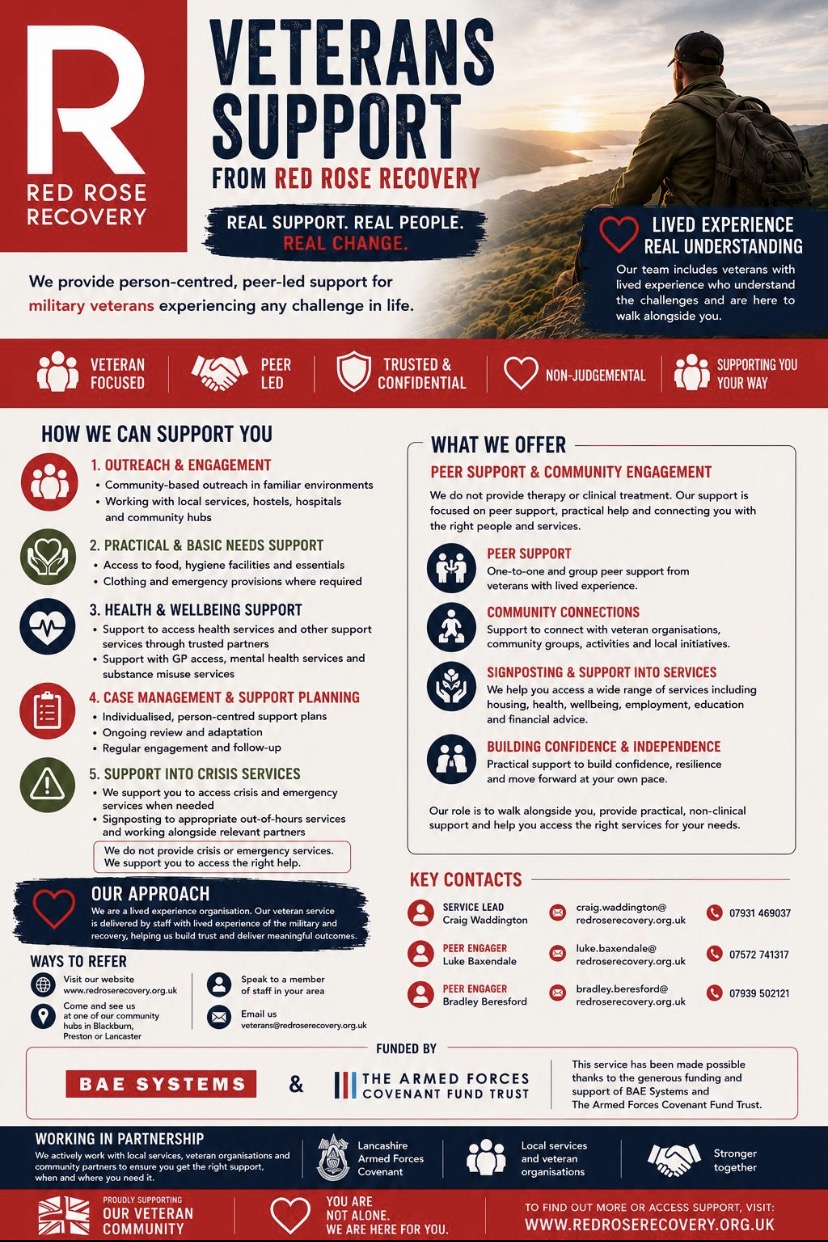
Digital Innovation & Communications
Connecting Communities
Digital engagement continues to play a vital role in connecting people with Red Rose Recovery. Whether someone is looking for support, searching for local groups, reading recovery stories or learning more about our services, our digital platforms ensure help and information are always within reach.
Throughout the year, we have continued to strengthen our digital presence, engaging with thousands of people across Lancashire, South Cumbria, Greater Manchester, North Yorkshire and beyond. Through our website, newsletters and social media channels, we continue to raise awareness, reduce stigma, celebrate recovery and keep our communities connected.
A Hub for Recovery
Our website remains the central hub for the organisation, providing information about every service we deliver alongside our interactive What’s On calendar, making it easy for people to discover groups, activities, training opportunities and events taking place across our communities.
The site continues to evolve alongside the organisation, ensuring it remains accessible, informative and capable of supporting our growing range of services, partnerships and recovery communities. Alongside improvements to our public facing platforms, significant investment has continued behind the scenes to modernise our digital infrastructure, ensuring our systems remain secure, reliable and capable of supporting the organisation as it continues to grow.
Sharing Stories and Celebrating Success
Every month we produce a digital newsletter for more than 1,400 subscribers, sharing stories of recovery, organisational news, upcoming events and opportunities to become involved with Red Rose Recovery.
Alongside this, our quarterly digital newsletter provides a more detailed review of the previous three months, celebrating achievements, showcasing community projects and highlighting the difference being made across every area of the organisation. These publications have become an important way of keeping beneficiaries, volunteers, staff, partners and supporters connected with our work throughout the year.
Driving Digital Innovation
Digital transformation continues to play an increasingly important role in the way Red Rose Recovery operates.
Throughout the year we have continued developing bespoke in house digital systems to improve efficiency, reduce administration and enhance the experience of staff and volunteers. This includes the continued development of our onboarding, induction and training portals, bringing key information and resources together into a unified digital environment that supports colleagues throughout their journey with the organisation.
Alongside this, we have continued to strengthen our cyber security, data governance and digital resilience whilst progressing towards Cyber Essentials accreditation. This year also marked an important milestone in the way we evidence our impact. Working in partnership with Lancaster University, we completed the first stage of an independent review of our operational data, providing independent validation that our reporting carries “real strategic weight” and can “withstand scrutiny.” This work not only strengthens future reporting and commissioning opportunities but also provides greater confidence that the outcomes and social value presented throughout this Annual Review are built upon a robust, transparent and independently reviewed evidence base.
Our commitment to digital innovation has also delivered tangible financial benefits. During the year, the successful renegotiation of our organisation wide mobile communications contract secured an estimated £48,000 saving over the next three years, reducing operational costs whilst ensuring more resources can be invested directly into frontline services and the communities we support.
Growing Our Digital Community
Our dedicated social media platforms continue to provide welcoming online communities where people can connect, share experiences and stay informed.
Alongside our main Red Rose Recovery channels, dedicated platforms supporting Lancashire User Forum, Roots Community, North Yorkshire Connected Spaces and Project Free have all continued to grow, helping local communities remain connected with opportunities, events and recovery support.
Collectively, our digital platforms now reach more than 19,000 followers, members and subscribers, demonstrating the growing reach and influence of Red Rose Recovery across the communities we serve.
Looking Ahead
As Red Rose Recovery continues to grow, so too will our digital presence.
We remain committed to ensuring our communications are accessible, engaging and informative, whilst continuing to develop new ways for people to connect with our services. By combining innovative digital platforms with authentic stories of recovery and community achievement, we will continue to strengthen connections, inspire hope and make support more accessible than ever before.
by the end of 2025/26, we had…
increased to
Followers across our social media platforms
Reached over
people with our content on social media
engaged
times with our content on facebook
received
Visitors on our website
a total of
Hits on our website
increased to
Email Subscribers
Training & Development
Training and Education: Sharing Knowledge, Changing Practice
Throughout 2025/26, Red Rose Recovery continued to strengthen its reputation as a leading provider of lived experience training, delivering learning opportunities to external professionals working across health, social care, criminal justice, education and the voluntary sector.
Alongside this, we continued to invest heavily in the development of our own staff, volunteers and beneficiaries, ensuring that learning and personal growth remain central to everything we do. Whether someone joins us as a volunteer beginning their recovery journey or as an experienced member of staff, everyone is encouraged to develop new skills, build confidence and reach their full potential.
Our training combines professional knowledge, evidence based practice and lived experience to create engaging learning that challenges stigma, builds confidence and improves understanding of addiction, mental health, trauma and recovery.
Developing People Through Lived Experience
Learning at Red Rose Recovery extends far beyond the classroom.
Throughout the year, staff, volunteers and beneficiaries have taken part in a wide range of accredited qualifications, professional development opportunities, workshops and practical learning experiences. Many individuals who first joined us seeking support have gone on to complete recognised qualifications, develop new skills and progress into volunteering, employment or leadership roles within their communities.
By investing in people at every stage of their journey, we continue to create opportunities that build confidence, strengthen recovery capital and demonstrate the life changing potential of lived experience.
Creative Learning Behind the Prison Gate
Our work within prisons has continued to grow throughout the year, demonstrating the power of education, creativity and lived experience in supporting recovery.
Alongside the delivery of accredited training, recovery focused workshops and Speaker Boot Camps, we have continued to work closely with prison staff and partner organisations to create meaningful opportunities that build confidence, develop new skills and strengthen recovery capital amongst people in custody.
One of the highlights of the year has been our partnership with HMP Hindley to produce the Book of Poems, a unique publication created by men living on the Incentivised Substance Free Living Unit.
Developed over more than fourteen months, the project brought together residents, Recovery Officers, prison staff, Change Grow Live and Red Rose Recovery to create something that is far more than a collection of poetry. Every poem is a personal reflection of lived experience, capturing stories of addiction, loss, resilience, hope and recovery. The project provided a safe space for creativity, honest conversation and self expression, enabling participants to rediscover confidence, purpose and identity through writing.
The publication has also been created with a lasting legacy in mind. Proceeds from book sales will be reinvested into recovery activities within HMP Hindley, supporting projects that continue to be co-produced by the prison community itself.
The Book of Poems stands as a powerful reminder that recovery is not simply about overcoming addiction. It is about rediscovering hope, finding purpose and creating opportunities for people to believe in themselves again. Through creativity, shared experience and genuine community, the project has shown that transformation is possible in even the most challenging environments.
A Diverse Training Offer
Throughout the year, we delivered a broad range of accredited and non accredited training covering subjects including:
- Trauma informed practice
- Addiction and recovery
- Mental health awareness
- Co-occurring conditions
- Harm reduction
- Family support
- Safeguarding
- Professional boundaries
- Public speaking and lived experience
- Recovery coaching
- Naloxone awareness
- Leadership and personal development
- Emerging drug trends and specialist substance misuse topics
Alongside formal training, our team continued to contribute to conferences, professional development events, awareness campaigns and university teaching, helping to increase understanding of recovery across a wide range of sectors.
Building Stronger Communities Through Learning
Training plays an important role in strengthening not only our workforce but the wider recovery community.
By developing the knowledge, confidence and skills of staff, volunteers, beneficiaries and partner organisations, we are helping to create more compassionate, recovery focused communities where lived experience is recognised as a strength rather than a barrier.
Many of the people who complete training with Red Rose Recovery go on to facilitate groups, mentor others, deliver presentations, support community projects and become positive role models for those beginning their own recovery journeys.
Looking Ahead
Training remains a cornerstone of Red Rose Recovery’s mission to create lasting change.
Whether supporting the professional development of our own workforce, helping volunteers and beneficiaries discover new opportunities, or delivering specialist learning to external organisations, we remain committed to sharing knowledge, building confidence and promoting recovery through education.
Every training session delivered is an investment in stronger individuals, stronger services and stronger communities.
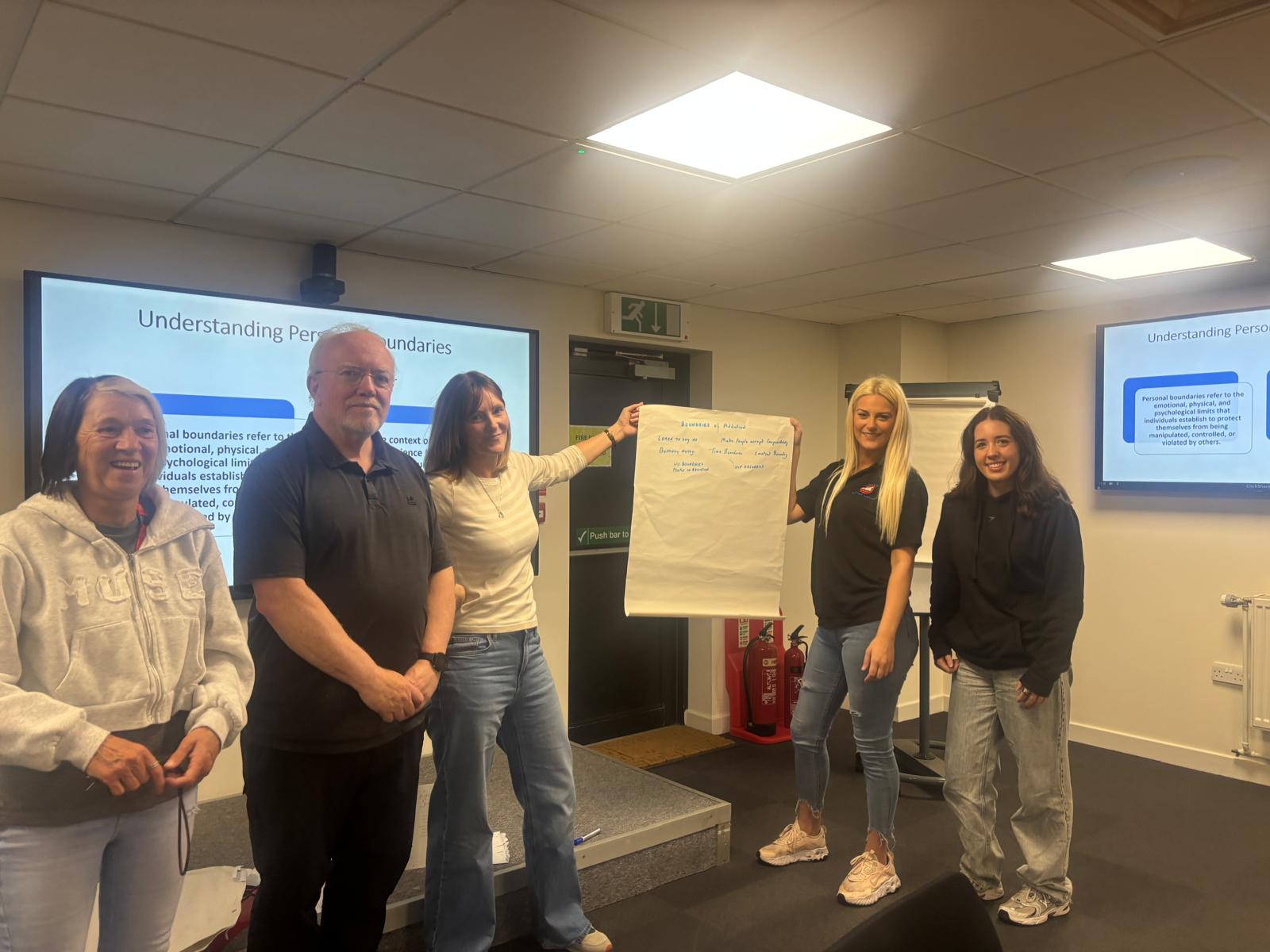
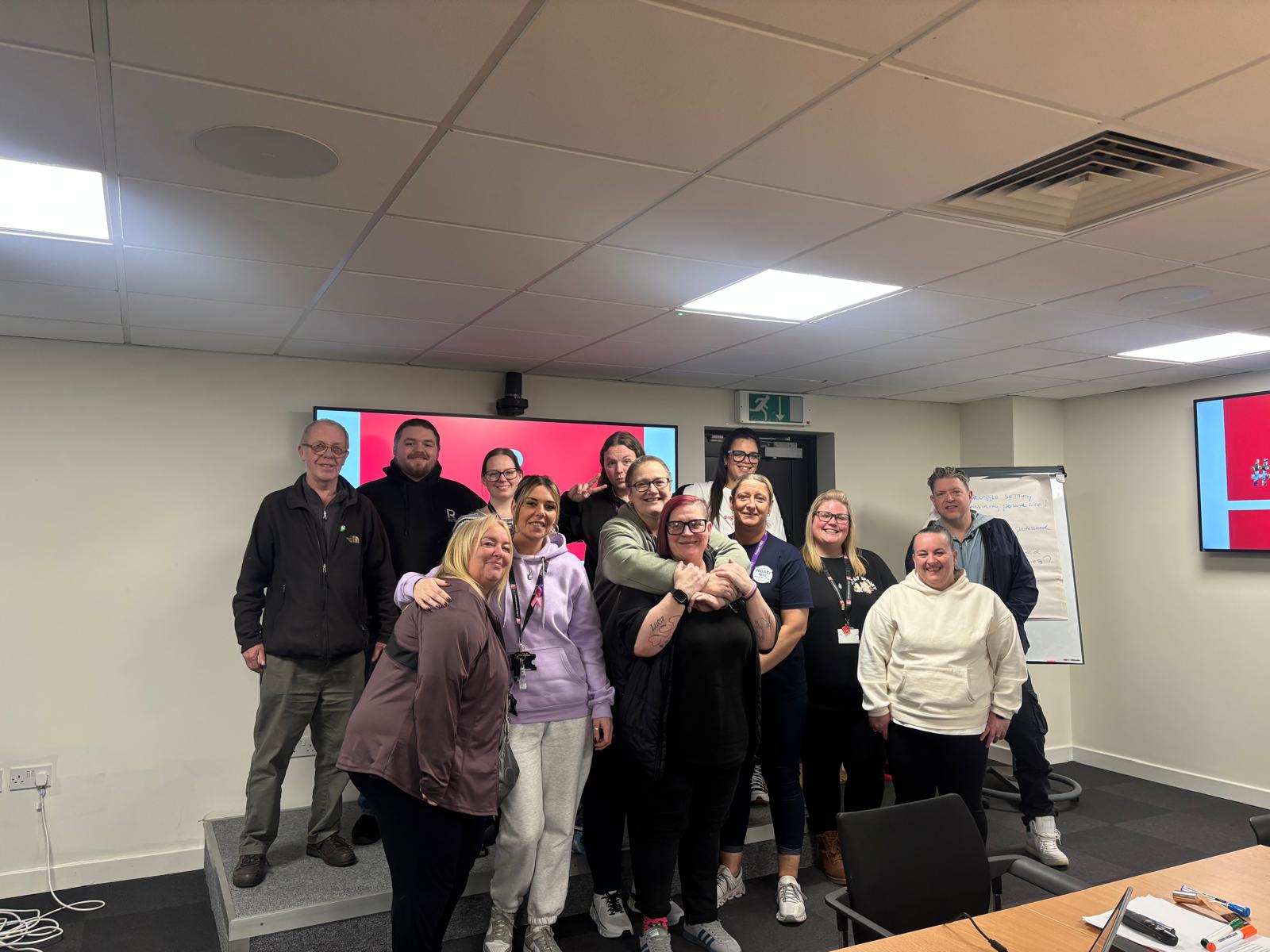
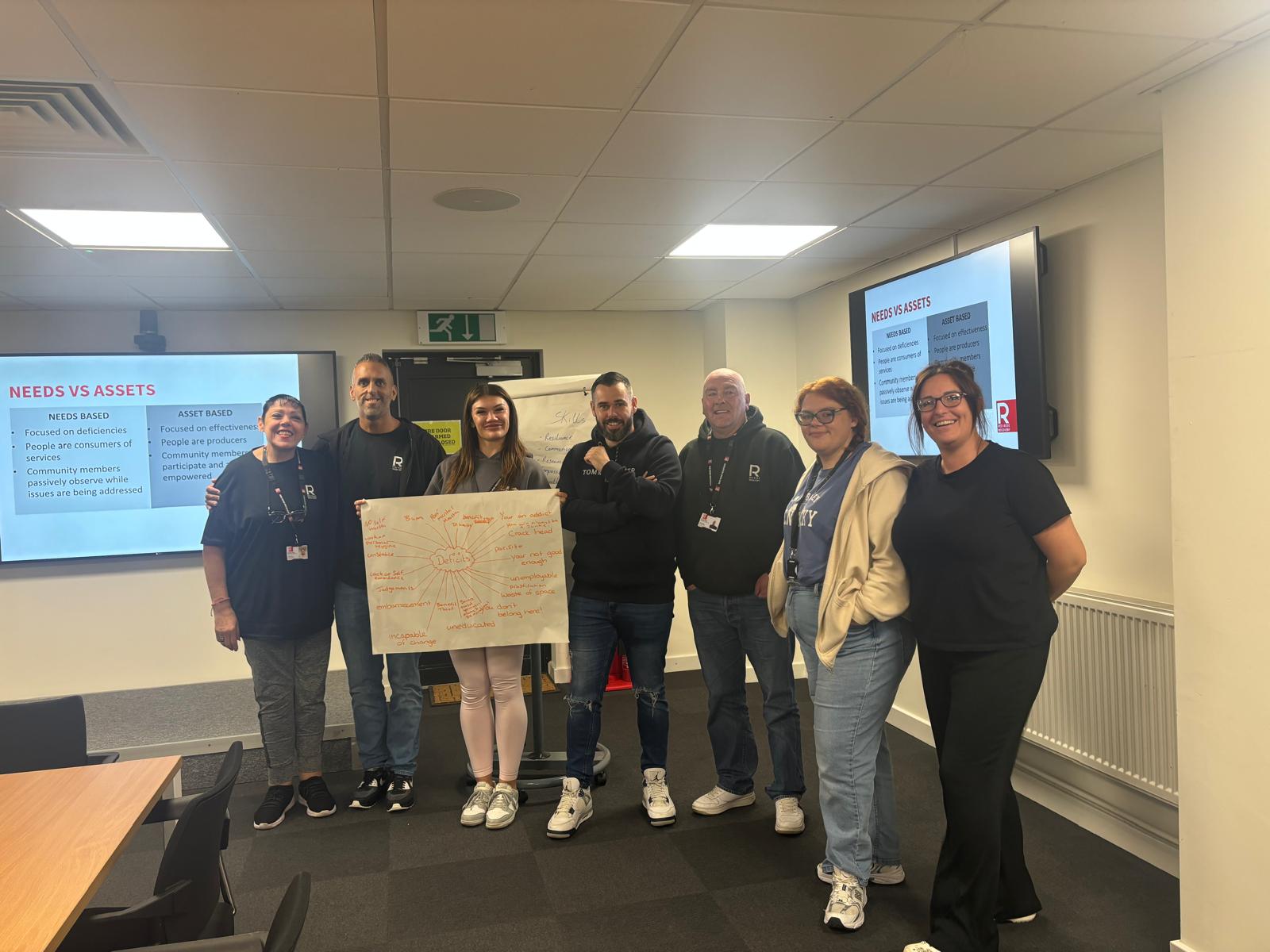
we’ve built, forged & strengthened both new & existing partnerships…
Now more than ever, we recognise the importance of partnership working as we’ve developed and innovated new strategies to find new ways of working and delivering support to the most vulnerable in our communities.























2025/26 Highlights
This year, we supported over 4,500 people, with 4,006 referrals coming from individuals and professionals seeking help. Across our communities, beneficiaries reported more than 75,000 positive outcomes, reflecting the real, measurable difference being made every day.
This year saw the launch of several new specialist services, including dedicated support for veterans, people affected by ketamine use and domestic abuse, ensuring Red Rose Recovery continues to respond to emerging community need.
Our digital transformation continued throughout the year, with bespoke onboarding and learning systems, strengthened cyber security and an organisation wide mobile contract review that secured an estimated £48,000 saving over the next three years.
Project Free continued to grow across Greater Manchester, bringing recovery into local communities through visible community action, peer leadership, prison partnerships and co produced recovery initiatives.
We trained professionals from organisations including the NHS, local authorities, universities, prisons and voluntary sector, whilst continuing to invest in the development of our own staff, volunteers and beneficiaries through accredited learning and lived experience leadership.
We secured new funding to launch our Veterans Support Service, thanks to BAE Systems and The Armed Forces Covenant Fund Trust, extending our lived experience approach to support veterans and their families across Lancashire.
Independent researchers from Lancaster University reviewed our organisational data, concluding that our reporting carries “real strategic weight” and can “withstand scrutiny”, providing confidence in the impact and evidence presented throughout this Annual Review.
North Yorkshire Connected Spaces expanded into Northallerton with the introduction of a dedicated Team Leader and Community Peer Engagers, extending lived experience support to even more communities across the county.
Our prison based work continued to flourish, culminating in the publication of the HMP Hindley Book of Poems, a powerful collaboration celebrating creativity, hope and recovery whilst generating income for future recovery activities within the prison.
Red Rose Recovery continued to strengthen its national reputation, sharing learning with universities, contributing to research and developing innovative approaches that are influencing recovery practice far beyond the communities we directly support.